As a professional filmmaker who has been strapping cameras to everything from helmets to drones for over a decade, I’ve seen brands enter the action camera arena with high hopes. Few entries were as anticipated as Nikon’s. With a legendary name in photography, the expectations for a Nikon Action Camera were sky-high. In 2016, they launched the KeyMission series, an ambitious lineup aimed at capturing the market. But today, if you’re looking for a new one, you’ll find they’ve vanished from shelves.
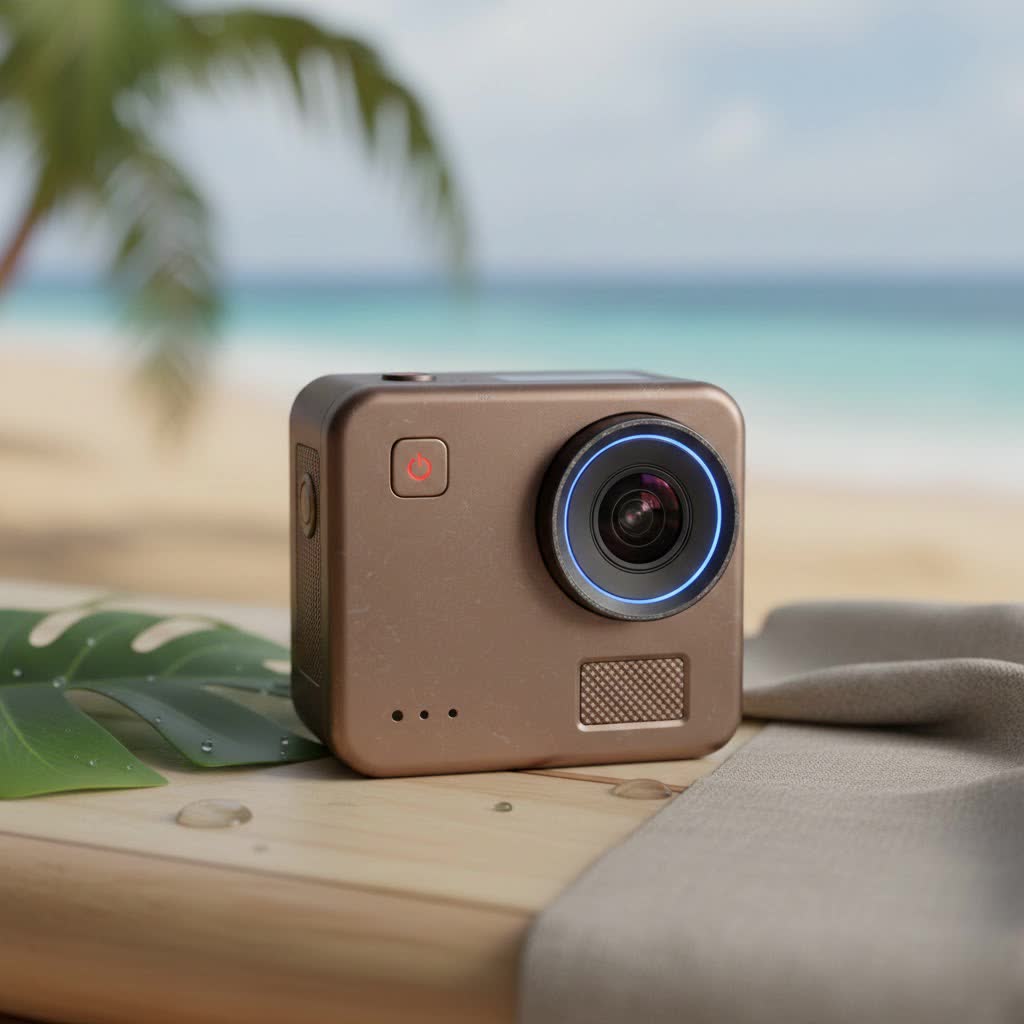
So, what happened to Nikon’s foray into the world of rugged, mountable cameras? And if you’re considering buying a used one, is it a hidden gem or a piece of forgotten tech? As the lead content creator for RWSTX, I’m here to break it all down, drawing from years of hands-on experience with countless cameras in the field. We’ll explore the legacy of the KeyMission line, why it was discontinued, and what modern alternatives will better serve your adventures today.
The Rise and Fall of the Nikon KeyMission Series
Nikon didn’t just dip its toes in the water; it cannonballed. Instead of one camera, they launched a trio of devices under the “KeyMission” brand, each designed for a different type of creator. It was a bold strategy meant to challenge the one-size-fits-all approach of competitors.
The Ambitious Lineup: KeyMission 360, 170, and 80
The KeyMission family was built on Nikon’s imaging expertise, promising excellent quality in rugged packages.
- KeyMission 360: This was the flagship. A dual-lens camera designed to capture fully spherical 4K UHD 360-degree video. It was waterproof to 100 feet and shockproof from 6.6 feet without any extra housing, which was impressive at the time. The idea was to capture everything and let you reframe your shot later—a concept that’s now standard in 360 cameras.
- KeyMission 170: This was Nikon’s direct competitor to the GoPro HERO line. It offered a super-wide 170-degree field of view, shot in 4K, and featured electronic Vibration Reduction (Nikon’s version of image stabilization). Like its 360 sibling, it was inherently rugged, waterproof to 33 feet out of the box. It had a standard rear LCD screen and a familiar action camera design.
- KeyMission 80: This was the oddball of the bunch. A small, wearable lifestyle camera designed for quick, candid moments. It had a main camera on the front and a selfie camera on the back. It was weather-resistant and simple to operate, intended to be clipped onto a backpack strap to capture life as it happened.
|
Our Picks for the Best Action Camera in 2026
As an Amazon Associate I earn from qualifying purchases.
|
||
| Num | Product | Action |
|---|---|---|
| 1 | GoPro HERO13 Black - Waterproof Action Camera with 5.3K60 Video, 27MP Photo + Compatability with HB-Series Lenses |

|
| 2 | ODDV 4K 30MP Waterproof Action Camera with 60FPS & Dual Screens, 132FT Underwater Camera with 64GB Card, EIS Stabilization, 5X Zoom, WiFi Remote Control Action Camera Ideal for Sports, Snorkeling |
|
| 3 | DJI Osmo Action 4 Standard Combo, 4K/120fps Waterproof Action Camera with a 1/1.3-Inch Sensor, Stunning Low-Light Imaging,10-bit & D-Log M Color Performance, Long-Lasting 160 Mins, Outdoor Camera |
|
| 4 | DJI Osmo Action 5 Pro Essential Combo, Waterproof Action Camera with 1/1.3\" Sensor, 4K/120fps Video, Subject Tracking, Stabilization, Dual OLED Touchscreens, Action Camera 4K Ideal for Sports, Vlog |
|
| 5 | Mini Action Camera 4K - 128G Thumb Sports Camera with EIS Stabilization, Wearable POV Chest Camera, Waterproof for Running, Cycling, Swimming, Hiking, Outdoor Adventures |
|
| 6 | DJI Osmo Action 4 Essential Combo, 4K/120fps Waterproof Action Camera with a 1/1.3-Inch Sensor, Stunning Low-Light Imaging,10-bit & D-Log M Color Performance, Long-Lasting 160 Mins, Outdoor Camera |
|
| 7 | Apexcam Action Camera 4K with 64G SD Card Sports Cameras 20MP 131FT Waterproof Underwater Camera WiFi Cameras with 2.4G Remote Control, 2 Batteries, Mounting Accessories Kits |
|
| 8 | DJI Osmo Action 5 Pro Standard Combo, Waterproof Action Camera with 1/1.3\" Sensor, 4K/120fps Video, Subject Tracking, Stabilization, Dual OLED Touchscreens, Action Camera 4K Ideal for Sports, Vlog |
|
| 9 | Insta360 X5 - Waterproof 8K 360° Action Camera, Leading Low Light, Invisible Selfie Stick Effect, Rugged and Replaceable Lens, 3-Hour Battery, Built-in Wind Guard, Stabilization, Triple AI Chip Design |
|
| 10 | 4K 60FPS Waterproof Action Camera,Bare Metal 66FT Underwater Camera,2\" Touch Dual Screen Sports 6-Axis Stabilization,2 Batteries Internal Microphone Vlog Camera for Diving Cycling Outdoor |
|
Why Was the Nikon KeyMission Discontinued?
Despite the powerful brand name and solid hardware specifications, the KeyMission series was officially discontinued by 2018. From my perspective in the industry, the failure wasn’t due to one single issue but a combination of critical missteps.
“Nikon built a camera, but they forgot to build an experience. In the action camera world, the software, the app, and the ease of editing are just as important as the hardware. That’s where KeyMission struggled to keep up, and ultimately, where it lost the race.” – Alex Chen, Professional Action Sports Cinematographer
The primary culprit was the software. The Nikon SnapBridge app, which was essential for controlling the cameras and editing footage, was notoriously buggy, slow, and unreliable. Users reported constant connection drops, difficult firmware updates, and a frustrating user interface. In a world where GoPro and others were creating seamless mobile editing experiences, Nikon’s software felt years behind.
Furthermore, the electronic image stabilization in the KeyMission 170 couldn’t compete with the smooth, gimbal-like stabilization that competitors were rolling out. For an action camera, shaky footage is a deal-breaker. While the hardware was tough, the final video output just wasn’t as polished as the competition.
Should You Still Buy a Nikon Action Camera in 2025?
You might find a KeyMission 170 or 360 on the second-hand market for a very low price. Is it a bargain? I would strongly advise against it for most people.
The Cons far outweigh the Pros:
- No Support: There will be no more firmware updates, meaning any existing bugs are permanent. App support on modern smartphones is not guaranteed.
- Outdated Technology: Features like image stabilization, video resolutions, and frame rates are significantly behind today’s standards.
- Battery Degradation: Used electronics often come with old, degraded batteries that won’t hold a charge for long. Finding new, reliable replacement batteries will be difficult.
- Frustrating Workflow: The clunky software experience remains a major hurdle to getting your footage from the camera to a final video.
The only reason to consider one is if you are a Nikon collector or if you can get one for an absurdly low price for a very specific, non-critical task. For everyone else, your money is much better spent on a modern camera.
Top Alternatives to Nikon Action Cameras Today
The action camera market has evolved tremendously since the KeyMission’s departure. Today’s cameras offer incredible stabilization, versatile features, and user-friendly software. Here are the top alternatives that deliver on the promises Nikon couldn’t keep.
| Feature | GoPro HERO12 Black | Insta360 Ace Pro | DJI Osmo Action 4 |
|---|---|---|---|
| Best For | Overall Performance & Reliability | Image Quality & AI Features | Low Light & Durability |
| Max Resolution | 5.3K/60fps | 8K/24fps | 4K/120fps |
| Stabilization | HyperSmooth 6.0 | FlowState Stabilization | RockSteady 3.0+ |
| Waterproofing | 33 ft (10m) | 33 ft (10m) | 59 ft (18m) |
| Unique Feature | HDR Video, Bluetooth Audio | Leica Lens, AI Warp | 1/1.3-inch Sensor |
For the All-Around User: GoPro HERO Series
GoPro continues to dominate for a reason. The latest HERO models offer stunning 5.3K video, class-leading HyperSmooth stabilization that truly looks like it was shot on a gimbal, and a polished, intuitive ecosystem of apps and accessories. This is what the KeyMission 170 tried to be but couldn’t execute.
For 360-Degree Enthusiasts: Insta360 X Series
If the concept of the KeyMission 360 intrigued you, the Insta360 X3 or X4 is its modern successor. Insta360 has perfected the 360 workflow with powerful, AI-driven mobile and desktop apps that make reframing your shots fun and easy. Their FlowState stabilization is phenomenal, creating impossibly smooth videos.
For Vlogging and Portability: DJI Osmo Action & Pocket
DJI has become a major player in the action camera space. The Osmo Action 4 is a direct GoPro competitor that excels in low-light performance thanks to its larger sensor. For a modern take on the KeyMission 80’s “life-logging” concept, the DJI Pocket 3 offers incredible stabilized video from a tiny, integrated gimbal, making it perfect for vloggers.
What to Look for in a Modern Action Camera
When shopping for an action camera in 2025, keep these key features in mind:
- Image Stabilization: This is non-negotiable. Look for advanced electronic stabilization (like HyperSmooth, FlowState, or RockSteady) that produces smooth, watchable footage during high-motion activities.
- Resolution and Frame Rates: 4K is the standard, but many cameras now offer 5K or even 8K. More importantly, look for high frame rates (like 4K/120fps) which allow for incredible slow-motion shots.
- Durability and Waterproofing: A good action camera should be tough enough to handle drops and waterproof to at least 33 feet (10 meters) without a separate case.
- Battery Life: Look for cameras with removable batteries and check real-world reviews, as official estimates can be optimistic.
- Software Ecosystem: Don’t underestimate the app. A good mobile app makes it easy to control your camera, preview shots, and quickly edit and share your clips.
Frequently Asked Questions (FAQ)
Is Nikon making a new action camera?
As of late 2025, there are no official announcements or credible rumors to suggest Nikon is re-entering the action camera market. They appear to be focused on their successful Z-series mirrorless camera lineup.
What was the last Nikon action camera?
The last Nikon action cameras were the models from the KeyMission series: the KeyMission 360, KeyMission 170, and KeyMission 80, which were all released around 2016 and discontinued shortly after.
Is a used Nikon KeyMission 170 worth it?
For the vast majority of users, a used Nikon KeyMission 170 is not worth it. Its technology is severely outdated, especially its image stabilization and software. You can get a much more capable and reliable entry-level action camera from other brands for a similar price.
What happened to the Nikon KeyMission 360?
The Nikon KeyMission 360 was discontinued along with the rest of the KeyMission line. It suffered from major software issues that made it difficult to use and failed to compete with the more user-friendly 360 cameras that emerged from brands like Insta360 and GoPro.
What is a better alternative to the Nikon KeyMission?
For a traditional wide-angle action camera like the KeyMission 170, the GoPro HERO series or DJI Osmo Action series are far superior alternatives. For a 360-degree camera like the KeyMission 360, the Insta360 X series is the current market leader.
Final Thoughts: A Lesson Learned
The story of the Nikon action camera is a fascinating case study. It serves as a powerful reminder that in the tech world, brand reputation and great hardware aren’t enough. The user experience—the software, the app, the seamless workflow—is what ultimately determines success. Nikon’s KeyMission was an ambitious experiment that, despite its flaws, pushed the market forward. While you shouldn’t buy one today, its legacy lives on in the incredibly powerful and user-friendly cameras we now use to capture our adventures. The action camera world is better because of the lessons learned, and for creators, the tools available today are more exciting than ever.
