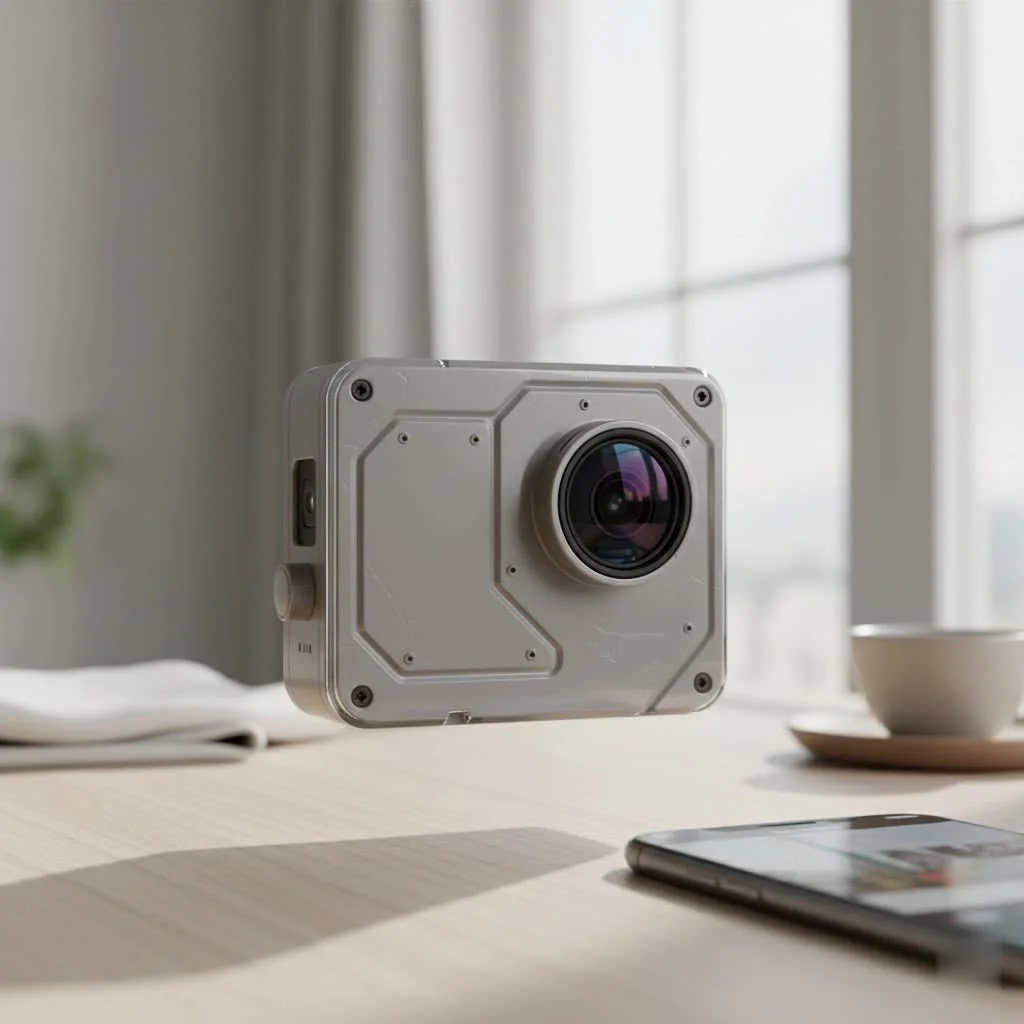
A 360 action camera is a compact, rugged camera equipped with two or more lenses that capture a super wide-angle field of view, typically over 180 degrees. The camera’s internal software stitches this footage together in real-time to create a single, seamless, spherical video, allowing users to capture an entire scene in every direction at once. This technology provides unparalleled creative freedom and ensures no moment is missed, making it an essential tool for elevating content beyond traditional framing.
What is a 360 Action Camera, Really?
A 360 action camera is a compact, rugged camera equipped with two or more lenses. Each lens captures a super wide-angle field of view (typically over 180 degrees). The camera’s internal software then stitches the footage from these lenses together in real-time to create a single, seamless, spherical video. Think of it as capturing not just what’s in front of you, but everything above, below, behind, and all around you. This immersive footage can be viewed on a VR headset for a true-to-life experience or, more commonly, “reframed” into a standard, flat video where you direct the viewer’s attention during the editing process.
Why Go 360 Over a Traditional Action Cam?
You might be wondering if a 360 action camera is just a gimmick. Having used them extensively in professional shoots, I can assure you they offer powerful advantages that a standard camera simply can’t match.
- Never Miss the Shot: This is the biggest selling point. With a traditional camera, you have to aim perfectly. If the action happens slightly out of frame, the shot is lost. A 360 camera captures everything, so you can point it in the general direction of the action and decide where the “camera” points later in your edit.
- Creative Freedom with Reframing: The ability to reframe is a creative superpower. You can pan, tilt, and zoom your footage after the fact, creating dynamic shots that would have required a professional camera operator or complex rig to achieve live. You can follow a moving subject, cut between different viewpoints, and even create mind-bending “tiny planet” effects.
- Immersive, Engaging Content: Footage from a 360 camera provides a first-person perspective that is incredibly immersive. It makes the viewer feel like they are right there with you, whether you’re skiing down a mountain or walking through a bustling city market.
- The Invisible Selfie Stick: Most modern 360 cameras use clever software to automatically remove the selfie stick or mount from the final footage. This creates clean, unobstructed shots that look like they were filmed by a personal drone following you around.
“The magic of a camera action 360 lies in its post-capture freedom,” notes acclaimed filmmaker David Chen. “It transforms the videographer into a director, allowing you to orchestrate the story long after the action has concluded.”
The Best 360 Action Cameras on the Market
The market for 360 cameras has matured significantly, with a few key players leading the pack. Here’s a breakdown of the models that consistently deliver top-tier performance.
Insta360 X4: The All-Round Champion
|
Our Picks for the Best Action Camera in 2026
As an Amazon Associate I earn from qualifying purchases.
|
||
| Num | Product | Action |
|---|---|---|
| 1 | GoPro HERO13 Black - Waterproof Action Camera with 5.3K60 Video, 27MP Photo + Compatability with HB-Series Lenses |

|
| 2 | DJI Osmo Action 4 Standard Combo, 4K/120fps Waterproof Action Camera with a 1/1.3-Inch Sensor, Stunning Low-Light Imaging,10-bit & D-Log M Color Performance, Long-Lasting 160 Mins, Outdoor Camera |
|
| 3 | Insta360 X5 - Waterproof 8K 360° Action Camera, Leading Low Light, Invisible Selfie Stick Effect, Rugged and Replaceable Lens, 3-Hour Battery, Built-in Wind Guard, Stabilization, Triple AI Chip Design |
|
| 4 | ODDV 4K 30MP Waterproof Action Camera with 60FPS & Dual Screens, 132FT Underwater Camera with 64GB Card, EIS Stabilization, 5X Zoom, WiFi Remote Control Action Camera Ideal for Sports, Snorkeling |
|
| 5 | DJI Osmo Action 4 Essential Combo, 4K/120fps Waterproof Action Camera with a 1/1.3-Inch Sensor, Stunning Low-Light Imaging,10-bit & D-Log M Color Performance, Long-Lasting 160 Mins, Outdoor Camera |
|
| 6 | Apexcam Action Camera 4K with 64G SD Card Sports Cameras 20MP 131FT Waterproof Underwater Camera WiFi Cameras with 2.4G Remote Control, 2 Batteries, Mounting Accessories Kits |
|
| 7 | 4K 60FPS Waterproof Action Camera,Bare Metal 66FT Underwater Camera,2\" Touch Dual Screen Sports 6-Axis Stabilization,2 Batteries Internal Microphone Vlog Camera for Diving Cycling Outdoor |
|
| 8 | DJI Osmo Action 5 Pro Standard Combo, Waterproof Action Camera with 1/1.3\" Sensor, 4K/120fps Video, Subject Tracking, Stabilization, Dual OLED Touchscreens, Action Camera 4K Ideal for Sports, Vlog |
|
| 9 | DJI Osmo Action 5 Pro Essential Combo, Waterproof Action Camera with 1/1.3\" Sensor, 4K/120fps Video, Subject Tracking, Stabilization, Dual OLED Touchscreens, Action Camera 4K Ideal for Sports, Vlog |
|
| 10 | Mini Action Camera 4K - 128G Thumb Sports Camera with EIS Stabilization, Wearable POV Chest Camera, Waterproof for Running, Cycling, Swimming, Hiking, Outdoor Adventures |
|
Insta360 has become synonymous with 360-degree video, and their latest flagship, the X4, solidifies that reputation. It’s the camera I reach for most often due to its incredible balance of image quality, features, and user-friendliness.
- Resolution: The X4 boasts stunning 8K/30fps 360-degree video, which provides incredible detail and flexibility for reframing. This is a significant leap from previous generations.
- FlowState Stabilization: Insta360’s stabilization technology is arguably the best in the business. It produces gimbal-smooth footage, even during the most intense activities.
- Single-Lens Mode: It doubles as a traditional action camera, capable of shooting flat, wide-angle video at up to 4K/60fps.
- AI-Powered Editing: The companion app is packed with AI features that make editing complex 360 videos surprisingly simple, with templates and auto-reframing tools.
GoPro MAX: Rugged and Reliable
GoPro, the brand that started the action camera revolution, offers a compelling 360 option with the GoPro MAX. While its specs may not match the latest from Insta360, its legendary durability and simplicity are major draws.
- Image Quality: The MAX records 5.6K/30fps 360 video. While lower than 8K, the quality is excellent, with GoPro’s signature vibrant color science.
- HyperSmooth Stabilization: GoPro’s stabilization is rock-solid, ensuring your footage is always smooth and watchable.
- Superior Audio: With six built-in microphones, the MAX captures impressive directional and spherical audio, reducing wind noise effectively.
- Ease of Use: The user interface is classic GoPro—simple, intuitive, and quick to operate, making it great for users who want to focus more on the action and less on settings.
Quick Comparison
| Feature | Insta360 X4 | GoPro MAX |
|---|---|---|
| Max 360 Resolution | 8K at 30fps | 5.6K at 30fps |
| Max Single-Lens | 4K at 60fps | 1440p at 60fps |
| Stabilization | FlowState | HyperSmooth |
| Waterproofing | 10 meters | 5 meters |
| Key Feature | Superior resolution, AI editing | Rugged build, premium audio |
Pro Tips for Shooting with Your 360 Camera
Owning a great camera is only half the battle. Here are some tips I’ve learned over the years to help you get professional-looking results.
Think About Mounting
The position of your camera is crucial. Because it sees everything, you need to consider the entire environment. Mounting the camera on a helmet provides a great first-person view, while attaching it to a long, invisible selfie stick can create incredible drone-like shots. Avoid placing it where your own body will block a significant portion of the view.
Master the Art of Reframing
This is where the magic happens. When editing, don’t just set one view and leave it. Use keyframes to create dynamic camera movements. Follow the most interesting subject, pan to reveal a stunning landscape, or quickly zoom in to highlight a specific detail. Tell a story with your camera angles.
Lighting is Still Key
While 360 cameras are versatile, they perform best in good light. The small sensors can struggle in low-light conditions, leading to grainy footage. When possible, shoot during the day or in well-lit environments to ensure your video is crisp and clean.
Frequently Asked Questions (FAQ)
What is the best 360 action camera for beginners? For beginners, the Insta360 X4 is an excellent choice due to its powerful but user-friendly mobile app. The app’s AI-driven editing features and templates take a lot of the guesswork out of the complex reframing process, making it easy to create amazing videos right away.
Is editing 360 video difficult? It can have a steeper learning curve than traditional video, but it’s more accessible than ever. Mobile apps from Insta360 and GoPro have made basic reframing and editing very intuitive. For more advanced control, desktop software like Adobe Premiere Pro now has robust, built-in tools for editing 360-degree footage.
Can I take photos with a 360 camera? Yes, absolutely. Most 360 action cameras can take high-resolution spherical photos. This allows you to capture an entire scene in a single shot and, just like with video, reframe it later to create the perfect composition.
How is a 360 camera different from a VR camera? The terms are often used interchangeably, but there can be a distinction. Most consumer 360 cameras shoot monoscopic video (a flat spherical image). Higher-end VR cameras often shoot in stereoscopic 3D, capturing slightly different images for each eye to create a true sense of depth when viewed in a VR headset.
Do I need a VR headset to watch 360 videos? Not at all. While a VR headset provides the most immersive experience, you can watch 360 videos on any smartphone, tablet, or computer. On these devices, you can simply drag the screen or move your phone around to change your perspective and look in any direction.
Your Adventure, Redefined
A 360 action camera is more than just a piece of gear; it’s a new way of seeing and sharing your world. It removes the pressure of framing the perfect shot in the moment and gives you the creative power to craft your story after the adventure is over. Whether you’re a seasoned content creator or just someone who wants to capture family vacations in a more engaging way, investing in a 360 camera will fundamentally change how you film your life. Now, get out there, start recording, and decide on the perfect angle later.
Frequently Asked Questions
What is the best 360 action camera for beginners?
For beginners, the Insta360 X4 is an excellent choice due to its powerful yet user-friendly mobile app. The app's AI-driven editing features and templates simplify the complex reframing process, making it easy to create amazing videos right away.
Is editing 360 video difficult for new users?
Editing 360 video can have a steeper learning curve than traditional video, but it is more accessible than ever. Mobile apps from brands like Insta360 and GoPro have made basic reframing and editing very intuitive. For advanced control, desktop software such as Adobe Premiere Pro now includes robust, built-in tools for 360-degree footage.
Can 360 action cameras also take high-resolution photos?
Yes, absolutely. Most 360 action cameras can capture high-resolution spherical photos. This feature allows you to capture an entire scene in a single shot and, similar to video, reframe it later to achieve the perfect composition.
What is the difference between a 360 camera and a VR camera?
The terms 360 camera and VR camera are often used interchangeably, but there can be a distinction. Most consumer 360 cameras shoot monoscopic video, which is a flat spherical image. Higher-end VR cameras, however, often shoot in stereoscopic 3D, capturing slightly different images for each eye to create a true sense of depth when viewed in a VR headset.
Do I need a VR headset to view 360 videos?
No, a VR headset is not required to watch 360 videos. While a VR headset provides the most immersive experience, you can view 360 videos on any smartphone, tablet, or computer. On these devices, you can simply drag the screen or move your phone around to change your perspective and look in any direction.
Shoot Professional-Looking 360 Camera Videos
Learn how to capture and edit professional-quality 360-degree videos by mastering mounting techniques, reframing, and optimal lighting conditions.
Consider the entire environment when mounting your 360 camera, as it sees everything. A helmet mount offers a great first-person view, while an invisible selfie stick can create drone-like shots. Avoid placing the camera where your body will obstruct a significant portion of the view.
Utilize keyframes during editing to create dynamic camera movements rather than setting a single view. Follow the most interesting subject, pan to reveal stunning landscapes, or zoom in to highlight specific details. This allows you to tell a compelling story with your camera angles after the footage is captured.
While 360 cameras are versatile, they perform best in good lighting conditions. Small sensors can struggle in low-light, leading to grainy footage. Always aim to shoot during the day or in well-lit environments to ensure your video remains crisp and clean.
Get our weekly buyer guide
Practical specs, not advice. Unsubscribe anytime.

I bought a 360 action camera for my travel vlogs, hoping to get those immersive shots. While the spherical video is cool, I found the learning curve for editing the 360 footage a bit steeper than I anticipated. It takes some practice to get the framing just right in post-production, even with the seamless stitching. Still, it’s a unique way to capture memories.
I recently got into surfing and wanted to document my progress. A 360 action camera seemed like the best option to get all the action. It’s incredibly rugged and handles the water well, which was a big concern for me. My only minor gripe is that the battery life could be a little better, especially on longer sessions, but overall, I’m really happy with the footage.
This camera is perfect for my hiking and climbing trips. The wide-angle field of view ensures I get every bit of the landscape, and the compact size means it’s easy to carry without adding bulk. It’s truly an essential tool for elevating content beyond traditional framing, as it lets me relive the entire experience, not just a narrow perspective.
I’ve been using a 360 action camera for my mountain biking videos, and it’s a game-changer. The ability to capture everything around me means I never miss a cool jump or a scenic view. The real-time stitching is super impressive, making editing so much easier than I expected. Definitely worth the investment for anyone serious about their adventure content.