The best compact action camera in 2025 depends on your specific needs: the Insta360 GO 3S excels in portability and creative angles, the DJI Osmo Nano offers superior image quality with its 1/1.3-inch sensor, and the GoPro HERO11 Black Mini provides rugged durability and 5.3K resolution for action sports. These devices allow for immersive footage without the bulk of traditional cameras, weighing as little as 39 grams.
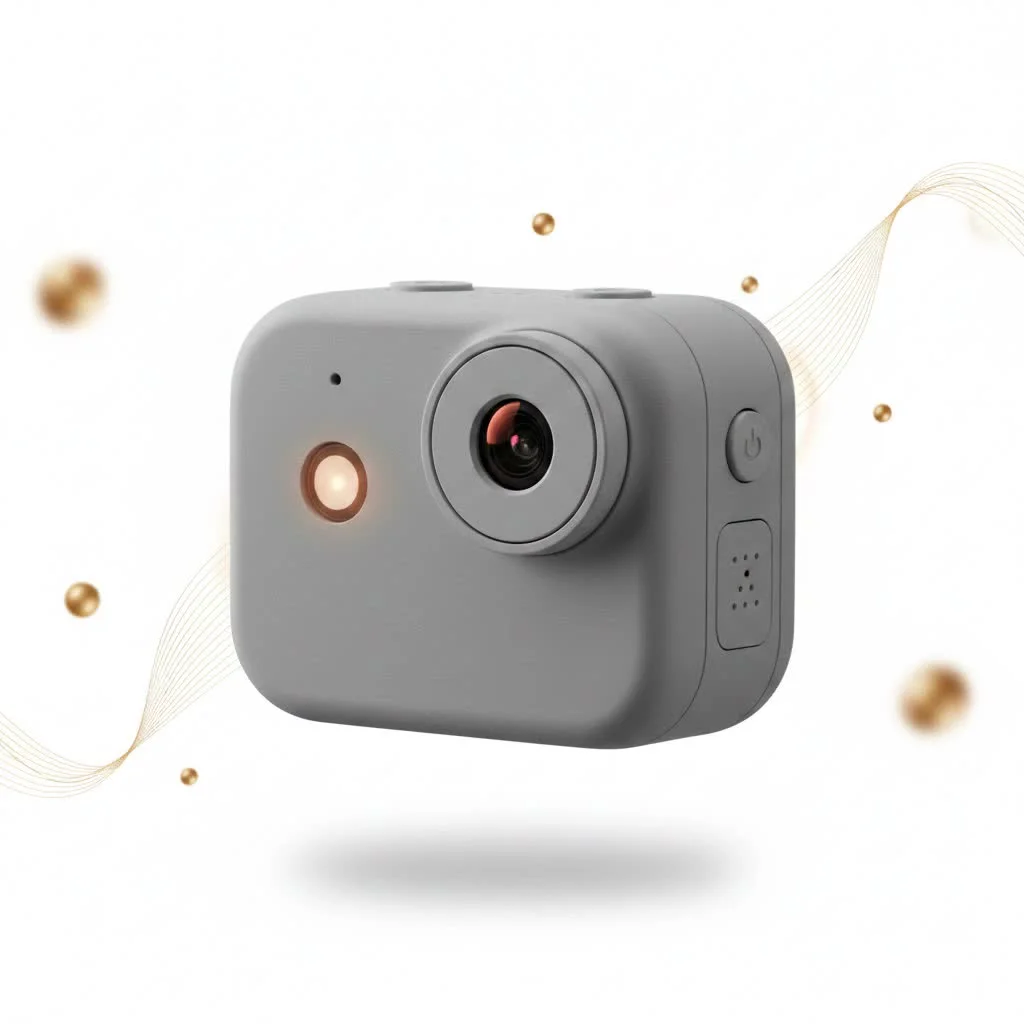
This RWSTX guide explores the top micro-machines revolutionizing adventure filming, comparing their strengths to help you choose the ideal miniature marvel for your kit. For compare top reviews on this site.
Why Go Small? The Power of the Compact Action Camera
While flagship cameras are powerful, a smaller option offers unique creative possibilities. A compact action camera is a distinct creative tool, not just a shrunken version of a larger one.
- Unmatched Portability: Size is the most obvious advantage. The Insta360 GO 3S, for example, weighs less than a golf ball, fitting easily into a pocket to ensure you never miss a shot due to cumbersome gear.
- Unique Mounting Opportunities: Compact cameras excel here. Their low weight and often magnetic bodies allow placement anywhere, such as on a fence post, hat brim, or skateboard. These angles are difficult or impossible with heavier cameras, opening new creative point-of-view (POV) shots.
- Discretion and Candid Moments: A tiny, unobtrusive camera captures more natural, candid interactions than a large camera. This makes them excellent for family videos, travel vlogging, and capturing genuine event atmospheres without being intrusive.
Trade-offs exist, as smaller bodies typically mean smaller sensors and batteries. However, the technology packed into these devices is advanced, and clever modular designs often provide brilliant solutions to these limitations.
The Top Compact Action Cameras of 2025: Reviewed
The market has seen significant innovation, with three models standing out. Each caters to a different type of creator, from casual vloggers to hardcore adrenaline junkies.
Insta360 GO 3S: The Featherweight Champion
The Insta360 GO 3S is a marvel of miniaturization. The camera unit, known as the “bean,” is incredibly small, weighing only 39 grams. Its primary strength is its versatility, allowing it to be clipped, stuck, or hung almost anywhere thanks to its magnetic body and clever mounts.
It captures crisp 4K video, a significant upgrade. When paired with its “Action Pod,” the housing charges the camera and adds a responsive, flip-up touchscreen, transforming the tiny bean into a fully functional vlogging rig. While the camera itself is waterproof, the Action Pod is not, which is an important consideration.
- Pros:
- Incredibly small and lightweight
- Versatile magnetic mounting system
- Clever Action Pod with a flip screen
- Cons:
- Image quality suffers in low light due to the small sensor
- Action Pod is not waterproof
- Best for: Vloggers, travelers, and creative shooters who prioritize unique angles and ultimate portability over absolute image quality.
DJI Osmo Nano: The Pocket Powerhouse
|
Our Picks for the Best Action Camera in 2026
As an Amazon Associate I earn from qualifying purchases.
|
||
| Num | Product | Action |
|---|---|---|
| 1 | DJI Osmo Action 4 Standard Combo, 4K/120fps Waterproof Action Camera with a 1/1.3-Inch Sensor, Stunning Low-Light Imaging,10-bit & D-Log M Color Performance, Long-Lasting 160 Mins, Outdoor Camera |

|
| 2 | Mini Action Camera 4K - 128G Thumb Sports Camera with EIS Stabilization, Wearable POV Chest Camera, Waterproof for Running, Cycling, Swimming, Hiking, Outdoor Adventures |
|
| 3 | Insta360 X5 - Waterproof 8K 360° Action Camera, Leading Low Light, Invisible Selfie Stick Effect, Rugged and Replaceable Lens, 3-Hour Battery, Built-in Wind Guard, Stabilization, Triple AI Chip Design |
|
| 4 | DJI Osmo Action 5 Pro Essential Combo, Waterproof Action Camera with 1/1.3\" Sensor, 4K/120fps Video, Subject Tracking, Stabilization, Dual OLED Touchscreens, Action Camera 4K Ideal for Sports, Vlog |
|
| 5 | Apexcam Action Camera 4K with 64G SD Card Sports Cameras 20MP 131FT Waterproof Underwater Camera WiFi Cameras with 2.4G Remote Control, 2 Batteries, Mounting Accessories Kits |
|
| 6 | DJI Osmo Action 4 Essential Combo, 4K/120fps Waterproof Action Camera with a 1/1.3-Inch Sensor, Stunning Low-Light Imaging,10-bit & D-Log M Color Performance, Long-Lasting 160 Mins, Outdoor Camera |
|
| 7 | ODDV 4K 30MP Waterproof Action Camera with 60FPS & Dual Screens, 132FT Underwater Camera with 64GB Card, EIS Stabilization, 5X Zoom, WiFi Remote Control Action Camera Ideal for Sports, Snorkeling |
|
| 8 | 4K 60FPS Waterproof Action Camera,Bare Metal 66FT Underwater Camera,2\" Touch Dual Screen Sports 6-Axis Stabilization,2 Batteries Internal Microphone Vlog Camera for Diving Cycling Outdoor |
|
| 9 | GoPro HERO13 Black - Waterproof Action Camera with 5.3K60 Video, 27MP Photo + Compatability with HB-Series Lenses |
|
| 10 | DJI Osmo Action 5 Pro Standard Combo, Waterproof Action Camera with 1/1.3\" Sensor, 4K/120fps Video, Subject Tracking, Stabilization, Dual OLED Touchscreens, Action Camera 4K Ideal for Sports, Vlog |
|
DJI’s Osmo Nano, weighing 52 grams, focuses on maximizing image quality. It features a class-leading 1/1.3-inch sensor, the same size found in many flagship action cameras. This results in superior low-light performance, better dynamic range, and richer colors.
The Nano is a modular system that pairs with a detachable OLED touchscreen called the “Vision Dock,” which can be mounted on the front or back or used as a wireless remote. It records in a flat D-Log M color profile, offering professional creators more flexibility in post-production. With the ability to shoot 4K at up to 120fps for silky slow-motion, the DJI Osmo Nano is a serious tool in a tiny package.
- Pros:
- Best-in-class image quality and low-light performance
- Larger 1/1.3-inch sensor and 10-bit color
- High-quality modular touchscreen
- Cons:
- The camera’s internal battery is not removable
- Best for: Serious content creators, tech enthusiasts, and anyone who wants the best possible video quality from the smallest possible camera.
GoPro HERO11 Black Mini: The Rugged Workhorse
GoPro’s HERO11 Black Mini is a stripped-down, condensed version of the HERO11 Black. Weighing 133g, it’s the heaviest in this group but delivers powerful performance. It features the same sensor and processor as its larger sibling, capable of recording stunning 5.3K resolution at 60fps.
The Mini sacrifices screens and a removable battery for its smaller form factor, prioritizing performance and durability. With two sets of mounting fingers—one on the bottom and one on the back—it’s exceptionally versatile for rigging in tight spaces, making it ideal for FPV drone pilots and motorsports enthusiasts. Shot framing and settings control are managed via the Quik app on your phone.
- Pros:
- Incredible 5.3K video resolution and proven GoPro image processing
- Extremely durable and waterproof
- Dual mounting points for maximum flexibility
- Cons:
- No screen for framing or playback
- Non-removable battery
- Best for: Action sports purists, FPV pilots, and existing GoPro users who need a rugged B-cam that can be mounted anywhere.
Comparison Breakdown: Which Tiny Titan is for You?
To make your decision easier, here’s a side-by-side look at our top contenders.
| Feature | Insta360 GO 3S | DJI Osmo Nano | GoPro HERO11 Black Mini |
|---|---|---|---|
| Weight | 39g (camera only) | 52g (camera only) | 133g |
| Max Resolution | 4K at 30fps | 4K at 120fps | 5.3K at 60fps |
| Sensor Size | 1/2.3-inch | 1/1.3-inch | 1/1.9-inch |
| Key Feature | Extreme portability, Action Pod | Best-in-class image quality | Highest resolution, durability |
| Best For | Vlogging & Creative POV | High-Quality Content Creation | Hardcore Action & FPV |
What Key Features Should You Look for in a Compact Action Camera?
When shopping for a compact action camera, the spec sheet tells only part of the story. Here’s what truly matters in the field.
Image Quality vs. Size
This is the fundamental trade-off. The DJI Osmo Nano demonstrates that a large sensor can fit into a small body, providing a significant advantage in challenging light. The GoPro Mini prioritizes resolution, while the Insta360 GO 3S prioritizes size, accepting a smaller sensor as a compromise. Decide what is most important: clean footage in all conditions, or the absolute smallest camera possible?
Stabilization is Non-Negotiable
Fortunately, you don’t have to compromise on stabilization. All top players offer incredible electronic image stabilization. Insta360’s FlowState, GoPro’s HyperSmooth, and DJI’s RockSteady ensure smooth, professional-looking footage, regardless of camera size.
Mounting and Modularity
A compact camera’s utility is tied to its mounting options. The magnetic systems on Insta360 and DJI models are game-changers for quick, on-the-fly creativity. The dual mounting fingers on the GoPro Mini offer more traditional but incredibly secure rigging. The modularity of the Action Pod and Vision Dock systems adds immense functionality, effectively providing two cameras in one.
Battery Life and Power Solutions
A small body means a small internal battery. Insta360 and DJI cameras address this with powered pods that charge the main camera unit, extending recording times to match or exceed full-size cameras. The GoPro Mini’s integrated battery is a limitation, making it better suited for shorter clips of intense action rather than all-day shooting.
“The advent of high-quality, compact action cameras like the Osmo Nano and HERO11 Mini has completely transformed FPV drone cinematography. We can now get broadcast-quality 4K and 5K shots from drones that are smaller, faster, and safer. The weight savings are immense, leading to longer flight times and more dynamic shots. It’s a creative freedom we could only dream of a few years ago.”
— Alex ‘Axel’ Thompson, Professional FPV Pilot for RWSTX
Frequently Asked Questions (FAQ)
Q1: Is a compact action camera better than a full-size one?A compact action camera is not necessarily better, but it offers distinct advantages. It excels in situations requiring portability, discretion, and unique POV mounting. A full-size camera generally provides better battery life, larger screens, and more robust features, making it a better all-around choice for general use.
Q2: Can a compact action camera replace my smartphone for video?A compact action camera can certainly replace a smartphone for video and often offers a significant upgrade. It is far more durable, waterproof, and provides superior stabilization compared to a smartphone. Its wide-angle lens is also purpose-built for capturing action and immersive scenes.
Q3: How waterproof are these small action cameras?The camera units themselves are quite rugged. The GoPro HERO11 Mini and DJI Osmo Nano are waterproof to 10 meters (33 feet) or more directly out of the box. The Insta360 GO 3S camera is waterproof to 5 meters (16 feet), but its Action Pod is not waterproof, meaning the screen cannot be used underwater.
Q4: What’s the biggest compromise when choosing a compact action camera?The biggest compromise is typically low-light performance. Smaller sensors struggle to gather as much light, which can result in grainy footage when shooting at dusk or indoors. However, models with larger sensors, such as the DJI Osmo Nano, are significantly closing this performance gap.
Q5: Are compact action cameras good for professional work?Absolutely. Their unique mounting capabilities make them invaluable as B-cameras or for specialty shots in professional productions. A director might use a compact action camera to capture a shot from inside a tight space where no other camera could fit. For social media content, they are often more than sufficient to serve as an A-camera.
Conclusion: Big Adventures, Small Cameras
The evolution of the compact action camera represents one of the most exciting developments in videography. Never before have such high-quality footage been captured from impossibly small devices. Whether you are a professional creator seeking a powerful new tool, a vlogger desiring a more portable rig, or an adventurer wanting to document your journey without being weighed down, there is a tiny titan perfect for you.
The choice ultimately depends on your priorities. For ultimate portability and creative fun, the Insta360 GO 3S stands out. For those demanding the best possible image quality in the smallest form factor, the DJI Osmo Nano is the clear winner. And for pure action where resolution and ruggedness are paramount, the GoPro HERO11 Black Mini remains the king. Whichever you choose, you’ll acquire a remarkable piece of technology that empowers you to film your life in ways you never thought possible. Now, get out there and start creating.
Frequently Asked Questions
Is a compact action camera better than a full-size one?
A compact action camera is not inherently better than a full-size one, but it offers distinct advantages in specific scenarios. It excels in situations requiring portability, discretion, and unique point-of-view (POV) mounting opportunities. Full-size cameras generally provide better battery life, larger screens, and more robust features for general use.
Can a compact action camera replace my smartphone for video?
Yes, a compact action camera can certainly replace a smartphone for video and often provides a significant upgrade. These cameras are far more durable, waterproof, and offer superior electronic image stabilization compared to most smartphones. Their wide-angle lenses are also purpose-built for capturing action and immersive scenes effectively.
How waterproof are these small action cameras?
The camera units themselves are quite rugged and waterproof. The GoPro HERO11 Mini and DJI Osmo Nano are waterproof to 10 meters (33 feet) or more directly out of the box. The Insta360 GO 3S camera is waterproof to 5 meters (16 feet), but its Action Pod is not waterproof, meaning the screen cannot be used underwater.
What is the biggest compromise when choosing a compact action camera?
The biggest compromise when choosing a compact action camera is typically low-light performance. Smaller sensors struggle to gather as much light, which can result in grainy footage when shooting at dusk or indoors. However, models with larger sensors, such as the DJI Osmo Nano with its 1/1.3-inch sensor, are significantly closing this performance gap.
Are compact action cameras suitable for professional video production?
Absolutely, compact action cameras are suitable for professional work. Their unique mounting capabilities make them invaluable as B-cameras or for specialty shots in professional productions, allowing directors to capture footage from tight spaces where other cameras cannot fit. For social media content, they are often more than sufficient to serve as an A-camera.
Get our weekly buyer guide
Practical specs, not advice. Unsubscribe anytime.

I was hoping to find something with really top-tier image quality for my nature shots. While the DJI Osmo Nano sounds good with its 1/1.3-inch sensor, I’m a bit worried about the battery life for longer shoots. It’s a solid option, but I might need to carry extra power.
I never realized how much a compact action camera could open up new filming possibilities. The idea of something weighing as little as 39 grams is incredible for attaching to gear or just carrying discreetly. This guide really helped me see the value in going small for my travel videos.
I’m a huge fan of extreme sports, and my current camera just can’t handle the abuse. The mention of the GoPro HERO11 Black Mini’s rugged durability and 5.3K resolution really caught my eye. It sounds like it could finally capture my downhill biking without me worrying about it breaking.
I’ve been looking for a camera that’s easy to take on hikes without adding a ton of weight to my pack. The Insta360 GO 3S sounds perfect for its portability and getting those unique creative angles. I’m excited to try it out for some of my trail vlogs.