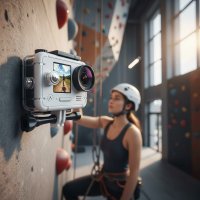
There’s nothing quite like the feeling of the open road, the hum of the engine, and the landscape blurring past. As a rider, you live for those moments. But capturing them? That requires a special piece of kit. If you’ve ever tried strapping your phone to your handlebars, you know it’s a recipe for shaky, unusable footage and a potentially shattered screen. This guide is your roadmap to choosing the perfect motorcycle action camera, a tool built to not only survive the ride but to capture it in stunning, cinematic detail. From the industry titans like GoPro to the innovative powerhouses of DJI and Insta360, we’ll navigate the features, specs, and real-world performance to find the camera that belongs on your bike.
Why Your Ride Deserves a Dedicated Action Camera
A motorcycle is a high-vibration, all-weather environment, and it demands a camera built for the job. Your smartphone, despite its impressive camera, isn’t designed to handle the constant buzz of an engine or a sudden downpour. A dedicated motorcycle action camera offers a trifecta of essential features: rock-solid durability, advanced image stabilization that turns shaky messes into smooth footage, and a universe of secure mounting options designed specifically for the forces and angles of riding. These cameras are engineered to be set up, forgotten, and trusted to capture the action, leaving you free to focus on what matters: the ride itself. For see our reviews recommendations on this site.
What Makes a Great Motorcycle Action Camera? Key Features Explained
Navigating the spec sheets of modern action cameras can feel overwhelming. Let’s cut through the noise and focus on the features that truly matter for a rider.
Image Stabilization
This is the single most important feature. Engine vibrations and bumpy roads are the enemies of clear video. Top-tier electronic image stabilization (EIS) is non-negotiable. Look for brand names like GoPro’s HyperSmooth, DJI’s RockSteady, and Insta360’s FlowState. These systems use sophisticated algorithms to predict movement and smooth it out in real-time, resulting in footage that looks like it was shot on a professional gimbal.
Video Resolution and Frame Rates
Resolution determines the clarity of your video. While 4K is the standard, premium models now offer 5.3K and even 8K. Higher resolution gives you more flexibility to crop and zoom in post-production without losing quality. Frame rate (frames per second or fps) determines the smoothness of motion. Shooting at 60fps is the sweet spot for high-speed action, while 120fps or 240fps allows for incredible slow-motion replays of that perfect corner or scenic fly-by.
Durability and Weatherproofing
|
Our Picks for the Best Action Camera in 2026
As an Amazon Associate I earn from qualifying purchases.
|
||
| Num | Product | Action |
|---|---|---|
| 1 | DJI Osmo Action 4 Essential Combo, 4K/120fps Waterproof Action Camera with a 1/1.3-Inch Sensor, Stunning Low-Light Imaging,10-bit & D-Log M Color Performance, Long-Lasting 160 Mins, Outdoor Camera |

|
| 2 | DJI Osmo Action 5 Pro Standard Combo, Waterproof Action Camera with 1/1.3\" Sensor, 4K/120fps Video, Subject Tracking, Stabilization, Dual OLED Touchscreens, Action Camera 4K Ideal for Sports, Vlog |
|
| 3 | GoPro HERO13 Black - Waterproof Action Camera with 5.3K60 Video, 27MP Photo + Compatability with HB-Series Lenses |
|
| 4 | Insta360 X5 - Waterproof 8K 360° Action Camera, Leading Low Light, Invisible Selfie Stick Effect, Rugged and Replaceable Lens, 3-Hour Battery, Built-in Wind Guard, Stabilization, Triple AI Chip Design |
|
| 5 | Apexcam Action Camera 4K with 64G SD Card Sports Cameras 20MP 131FT Waterproof Underwater Camera WiFi Cameras with 2.4G Remote Control, 2 Batteries, Mounting Accessories Kits |
|
| 6 | 4K 60FPS Waterproof Action Camera,Bare Metal 66FT Underwater Camera,2\" Touch Dual Screen Sports 6-Axis Stabilization,2 Batteries Internal Microphone Vlog Camera for Diving Cycling Outdoor |
|
| 7 | ODDV 4K 30MP Waterproof Action Camera with 60FPS & Dual Screens, 132FT Underwater Camera with 64GB Card, EIS Stabilization, 5X Zoom, WiFi Remote Control Action Camera Ideal for Sports, Snorkeling |
|
| 8 | DJI Osmo Action 4 Standard Combo, 4K/120fps Waterproof Action Camera with a 1/1.3-Inch Sensor, Stunning Low-Light Imaging,10-bit & D-Log M Color Performance, Long-Lasting 160 Mins, Outdoor Camera |
|
| 9 | Mini Action Camera 4K - 128G Thumb Sports Camera with EIS Stabilization, Wearable POV Chest Camera, Waterproof for Running, Cycling, Swimming, Hiking, Outdoor Adventures |
|
| 10 | DJI Osmo Action 5 Pro Essential Combo, Waterproof Action Camera with 1/1.3\" Sensor, 4K/120fps Video, Subject Tracking, Stabilization, Dual OLED Touchscreens, Action Camera 4K Ideal for Sports, Vlog |
|
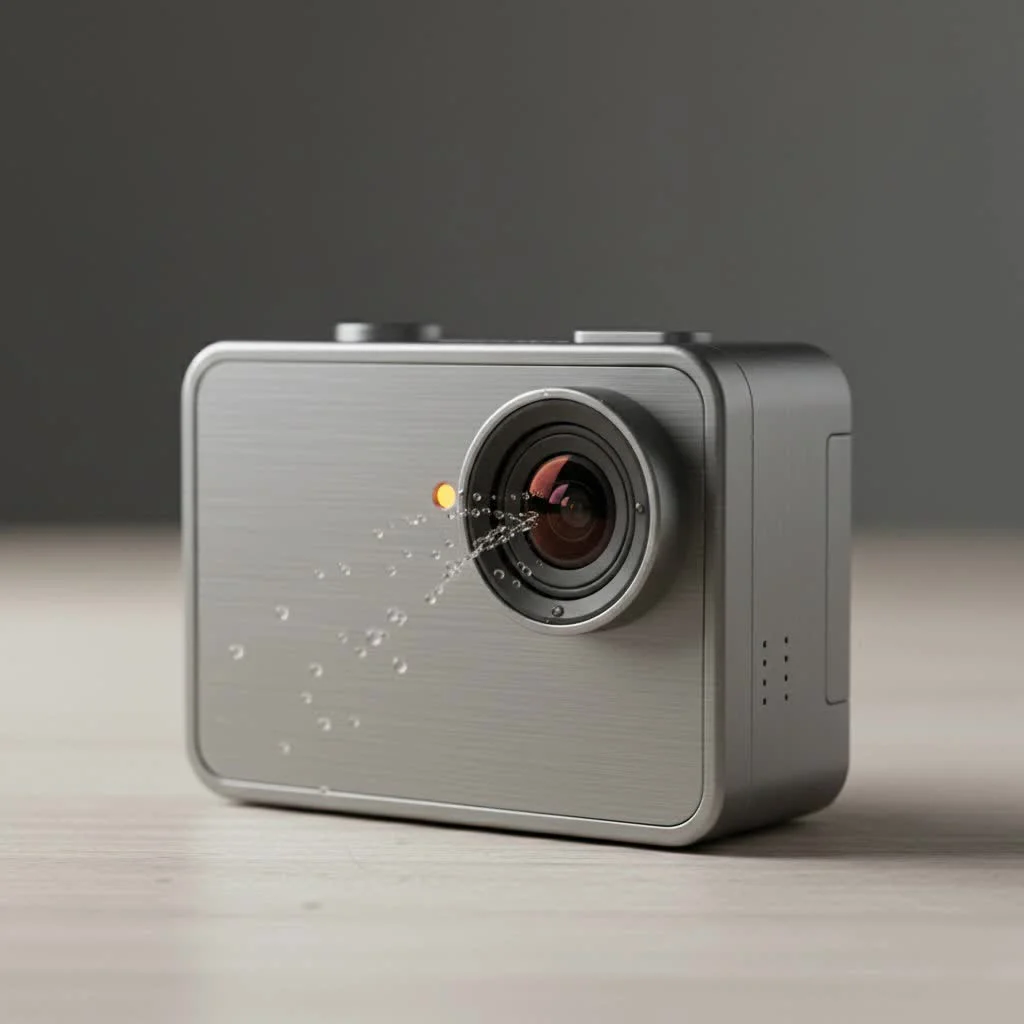
Your camera will be exposed to the elements. Look for a robust build and a solid IP waterproof rating without needing a separate case. This ensures your camera can handle everything from a surprise rainstorm to dust kicked up on a backroad, giving you peace of mind no matter where your adventure takes you.
Battery Life
A dead battery is the fastest way to miss the best part of your ride. Check the camera’s stated runtime, but more importantly, look for models with swappable batteries. For long tours, the ability to power the camera directly from your bike’s USB port is a game-changing feature that allows for continuous recording.
Mounting Flexibility
How and where you mount the camera drastically changes your shot. A good action camera has a wide ecosystem of available mounts. Whether you prefer the immersive first-person view from a helmet chin mount, a view of the gauges from the handlebars, or a dynamic angle from a chest mount, secure and versatile options are essential.
Audio Quality
Capturing good audio on a motorcycle is notoriously difficult due to wind noise. While no built-in microphone is perfect, some are better than others at reducing wind interference. For motovloggers, the ability to connect an external microphone via an adapter or Bluetooth is a critical feature for clear narration.
The Best Motorcycle Action Cameras of 2025: Reviewed
After countless hours on the road and in the editing bay, here’s my breakdown of the top contenders for the best motorcycle action camera this year.
GoPro HERO13 Black: The Refined All-Rounder
Best for: Riders who want a bulletproof, reliable camera with a massive accessory ecosystem and best-in-class stabilization.
The GoPro HERO13 Black continues its reign as the go-to action camera for a reason. Its HyperSmooth 6.0 stabilization is simply phenomenal, smoothing out even the roughest roads with ease. The 5.3K resolution at 60fps captures incredible detail, and the return of built-in GPS allows you to overlay speed and route data on your videos. While its low-light performance still lags slightly behind the competition, for daylight riding, its color science and image quality are second to none.
- Pros: Industry-leading image stabilization, crisp 5.3K video, huge variety of available mounts and accessories, built-in GPS.
- Cons: Low-light performance could be better, requires a subscription to unlock all software features.
DJI Osmo Action 6: The Low-Light Champion
Best for: Commuters and tourers who frequently ride at dawn, dusk, or in changing weather conditions.
DJI has made a name for itself by targeting GoPro’s weaknesses, and the Osmo Action 6 excels where the HERO13 falters: low light. Thanks to a larger image sensor, it captures cleaner, brighter, and more detailed footage when the sun isn’t shining. Its magnetic quick-release mounting system is a joy to use, making it incredibly fast to attach or remove the camera. While it tops out at 4K, the quality of that 4K footage, especially in challenging light, is truly exceptional.
- Pros: Superior low-light video quality, excellent battery life, intuitive magnetic mounting system.
- Cons: Video resolution is limited to 4K.
Insta360 Ace Pro 2 & X5: The Creative Powerhouses
Best for: Motovloggers, content creators, and any rider who wants maximum creative freedom.
Insta360 offers two fantastic but different options. The Ace Pro 2 is a traditional action camera packed with smart features. Its flip-up screen is perfect for framing motovlogging shots, and it’s the only camera in its class to offer stunning 8K resolution.
The Insta360 X5 is a 360-degree camera that changes the game entirely. Its dual lenses capture everything around you, allowing you to “shoot first and point later” in the edit. You can create drone-like shots with an invisible selfie stick, pan around to catch a scenic view you passed, or lock the view forward like a traditional camera. The flexibility is unparalleled.
- Pros: Unmatched creative versatility, excellent software and app, innovative features for vlogging and 360-degree capture.
- Cons: The 360-degree editing workflow has a steeper learning curve for beginners.
Akaso Brave 7 LE: The Best Budget-Friendly Option
Best for: New riders, those on a tight budget, or anyone wanting a capable second camera.
Proving that you don’t need to spend a fortune, the Akaso Brave 7 LE delivers impressive value. It offers 4K video, effective image stabilization, and even includes a front-facing screen for vlogging. It comes bundled with a huge assortment of mounts and two batteries, giving you everything you need to start recording right out of the box. While its overall image quality and stabilization can’t match the premium models, it’s a remarkably capable motorcycle action camera for its price.
- Pros: Extremely affordable, includes a vast accessory pack and two batteries, dual screens.
- Cons: Not as durable or waterproof without its included case, stabilization is a step below premium brands.
“A good motorcycle action camera isn’t just about recording a ride; it’s about capturing the feeling of freedom. Look for buttery-smooth stabilization and robust build quality first—everything else is a bonus.” – Alex ‘Apex’ Riley, Lead Videographer at RWSTX.com.
How to Mount Your Motorcycle Action Camera for the Best Shots
The angle you choose completely changes the story of your ride. Experiment with these three classic mounting positions.
The Helmet Mount: The Rider’s POV
This is the most popular and immersive angle. A chin mount provides a true first-person perspective, showing your handlebars and the road as you see them. Side or top mounts also work well, offering a slightly higher perspective. This angle is great because wherever you look, the camera looks too.
The Handlebar/Frame Mount: The Bike’s POV
Mounting the camera to your handlebars, engine guards, or frame gives a great sense of the bike’s movement and includes your dashboard in the shot. This angle is more susceptible to vibrations, so powerful image stabilization is a must.
The Chest Mount: The Immersive Angle
A chest mount offers a fantastic dynamic view that captures your arms making inputs, the handlebars, and the road ahead. It feels very active and engaging for the viewer, providing a great sense of speed and involvement in the ride.
Pro Tips for Cinematic Motorcycle Videos
- Vary Your Angles: Don’t just stick to one mount. Switching between helmet, bike, and chest mounts during a ride makes for a much more engaging final video.
- Keep It Clean: A single bug splatter or smudge on the lens can ruin a great shot. Give it a quick wipe with a microfiber cloth before you start recording.
- Know Your Settings: Shoot in 4K at 60fps for the best balance of detail and smoothness. Use a wide field of view to enhance the sense of speed.
- Mastering Audio: For the best audio, invest in an external microphone adapter and place a small lavalier mic inside your helmet, out of the direct wind.
- Let Stabilization Work: Trust your camera’s electronic stabilization. Try to ride smoothly, but don’t worry about minor bumps; the camera will handle them.
Frequently Asked Questions (FAQ)
What’s more important: resolution or frame rate?
For motorcycle footage, a high frame rate (60fps) is generally more important than the absolute highest resolution. Smooth motion is key to conveying the feeling of speed. 4K at 60fps is the ideal setting for most riders.
How do I reduce wind noise on my action camera?
The best way is to use an external microphone placed inside your helmet. If you’re using the camera’s internal mics, try covering them with a small piece of foam or “deadcat” windscreen material to break up the airflow.
Can I use a 360 camera as a regular action camera?
Yes. All 360 cameras, like the Insta360 X5, have a “single lens” mode that allows them to function exactly like a standard action camera, recording from just one of their two lenses.
How long should the battery last on a motorcycle action camera?
You should expect between 60 to 90 minutes of continuous recording in 4K from a single battery. For longer rides, carrying spare batteries or having a way to power the camera from your bike is essential.
Is a budget action camera good enough for motorcycling?
For casual recording and sharing, a budget camera like the Akaso Brave 7 LE can be perfectly adequate. However, for the best image quality, reliability, and smoothest stabilization, the investment in a premium model from GoPro, DJI, or Insta360 is well worth it.
Your Adventure is Waiting to be Captured
Choosing the right motorcycle action camera is about finding the tool that best fits your riding style and creative vision. Whether you prioritize the unmatched stabilization of a GoPro, the low-light prowess of a DJI, or the creative freedom of an Insta360, there has never been a better time to capture your adventures. The technology packed into these tiny, rugged cameras is nothing short of incredible, allowing you to preserve and share the thrill of two wheels with the world. So, pick your camera, mount it up, and hit the road. Your next epic ride is waiting to be filmed.
Get our weekly buyer guide
Practical specs, not advice. Unsubscribe anytime.