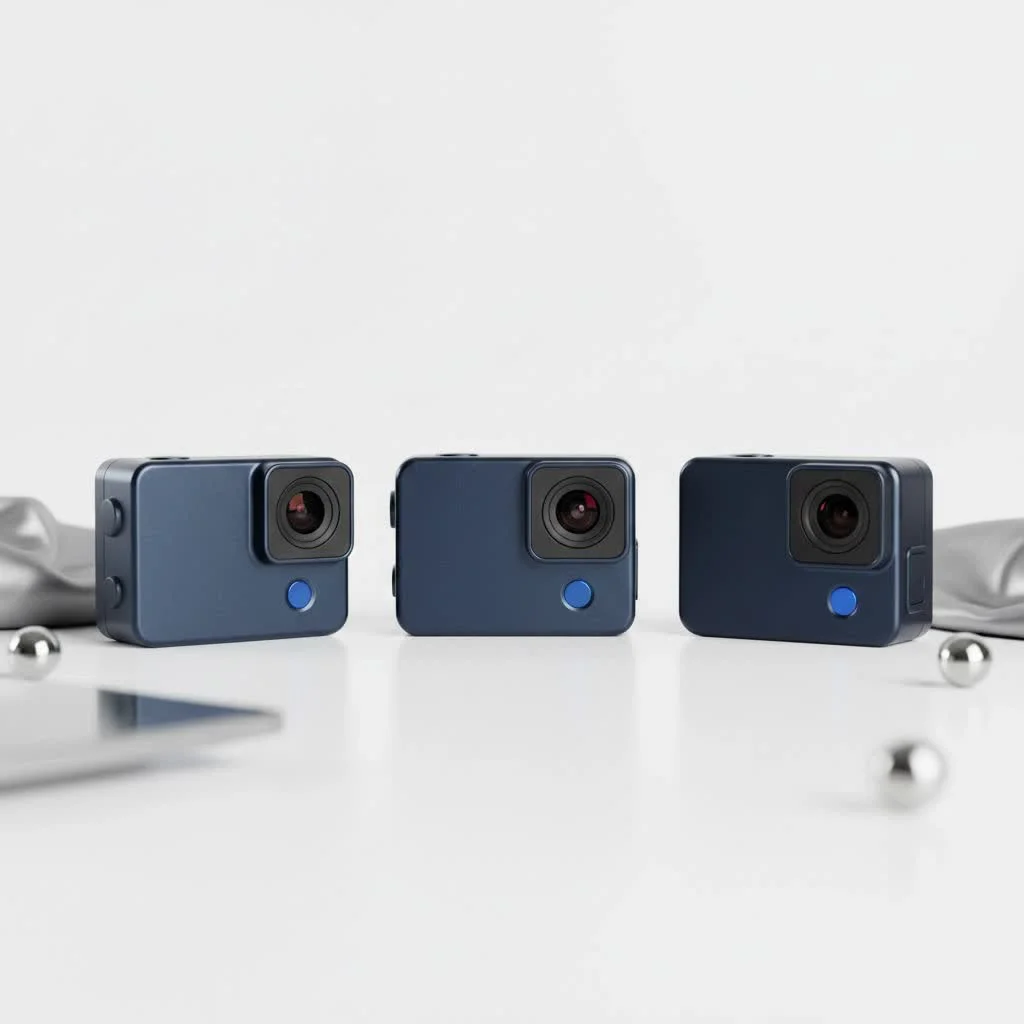
A sports action camera is a compact, rugged digital camera designed to capture high-quality footage of thrilling moments in extreme environments where smartphones cannot. These devices are built to withstand drops, dust, and water, typically offering native waterproofing up to 33 feet (10 meters), and feature advanced image stabilization to ensure smooth video even during intense activities like mountain biking or surfing.
What to Look For in a Sports Action Camera?
Navigating the world of action cameras can feel overwhelming with all the technical jargon. Let’s break down the key features that truly matter, so you can make an informed decision without needing an engineering degree.
Video Quality: Resolution and Frame Rates
This is the heart and soul of any camera. Resolution determines the clarity and detail of your video. While 1080p (Full HD) is still a decent standard, 4K has become the benchmark for a modern sports action camera. It provides incredibly crisp footage that looks amazing on larger screens and gives you the flexibility to crop in on your shots without losing quality.
Frame rate, measured in frames per second (fps), dictates how smooth your video looks.
- 24/30 fps: Standard for a cinematic look, great for vlogging or less intense action.
- 60 fps: The sweet spot for most action sports. It captures fast motion cleanly and allows you to create smooth slow-motion effects by slowing it down by 50%.
- 120/240 fps: This is where you get that buttery, super slow-motion. It’s perfect for highlighting a specific trick, a massive splash, or the dramatic arc of a jump.
Image Stabilization: The End of Shaky Footage
This is arguably the most important feature for a sports action camera. Without good stabilization, even the highest-resolution footage can be unwatchable. Early action cameras produced shaky, jarring videos, but modern electronic image stabilization (EIS) has completely changed the game. Top-tier cameras now offer stabilization that is so effective it mimics the smoothness of a professional gimbal, even when you’re mountain biking down a rocky trail or carving through choppy water. Look for brand names like GoPro’s HyperSmooth or DJI’s RockSteady—they are industry leaders for a reason.
Durability and Waterproofing
An action camera needs to be tough. These devices are built to withstand drops, dust, and extreme temperatures. Most high-end models are waterproof right out of the box, typically to a depth of around 33 feet (10 meters), which is more than enough for surfing, snorkeling, or getting caught in a downpour. For deeper dives, you’ll need a dedicated underwater housing, but the built-in ruggedness is a core part of what makes these cameras so versatile.
“Your gear should enable your adventure, not limit it. The best sports action camera is one you can trust to survive the same conditions you do.” – Michael Chen, Action Sports Gear Analyst.
Battery Life and Connectivity
|
Our Picks for the Best Action Camera in 2026
As an Amazon Associate I earn from qualifying purchases.
|
||
| Num | Product | Action |
|---|---|---|
| 1 | DJI Osmo Action 5 Pro Standard Combo, Waterproof Action Camera with 1/1.3\" Sensor, 4K/120fps Video, Subject Tracking, Stabilization, Dual OLED Touchscreens, Action Camera 4K Ideal for Sports, Vlog |

|
| 2 | GoPro HERO13 Black - Waterproof Action Camera with 5.3K60 Video, 27MP Photo + Compatability with HB-Series Lenses |
|
| 3 | Mini Action Camera 4K - 128G Thumb Sports Camera with EIS Stabilization, Wearable POV Chest Camera, Waterproof for Running, Cycling, Swimming, Hiking, Outdoor Adventures |
|
| 4 | 4K 60FPS Waterproof Action Camera,Bare Metal 66FT Underwater Camera,2\" Touch Dual Screen Sports 6-Axis Stabilization,2 Batteries Internal Microphone Vlog Camera for Diving Cycling Outdoor |
|
| 5 | DJI Osmo Action 4 Standard Combo, 4K/120fps Waterproof Action Camera with a 1/1.3-Inch Sensor, Stunning Low-Light Imaging,10-bit & D-Log M Color Performance, Long-Lasting 160 Mins, Outdoor Camera |
|
| 6 | ODDV 4K 30MP Waterproof Action Camera with 60FPS & Dual Screens, 132FT Underwater Camera with 64GB Card, EIS Stabilization, 5X Zoom, WiFi Remote Control Action Camera Ideal for Sports, Snorkeling |
|
| 7 | Insta360 X5 - Waterproof 8K 360° Action Camera, Leading Low Light, Invisible Selfie Stick Effect, Rugged and Replaceable Lens, 3-Hour Battery, Built-in Wind Guard, Stabilization, Triple AI Chip Design |
|
| 8 | Apexcam Action Camera 4K with 64G SD Card Sports Cameras 20MP 131FT Waterproof Underwater Camera WiFi Cameras with 2.4G Remote Control, 2 Batteries, Mounting Accessories Kits |
|
| 9 | DJI Osmo Action 5 Pro Essential Combo, Waterproof Action Camera with 1/1.3\" Sensor, 4K/120fps Video, Subject Tracking, Stabilization, Dual OLED Touchscreens, Action Camera 4K Ideal for Sports, Vlog |
|
| 10 | DJI Osmo Action 4 Essential Combo, 4K/120fps Waterproof Action Camera with a 1/1.3-Inch Sensor, Stunning Low-Light Imaging,10-bit & D-Log M Color Performance, Long-Lasting 160 Mins, Outdoor Camera |
|
Action camera batteries are notoriously short-lived due to their small size and the high-performance processing they handle. Expect to get around 60-90 minutes of continuous recording from a single charge. For this reason, carrying multiple spare batteries is non-negotiable for a full day of shooting.
Modern connectivity features like Wi-Fi and Bluetooth are also essential. They allow you to connect your camera to a smartphone app for remote control, live previews, and quick footage transfers, making it easier than ever to edit and share your clips on the go.
The Best Sports Action Cameras on the Market
While the market is always evolving, a few key players consistently set the standard. Here’s a look at the top contenders you should be considering.
| Feature | GoPro HERO12 Black | DJI Osmo Action 4 | Insta360 Ace Pro |
|---|---|---|---|
| Max Video Resolution | 5.3K at 60fps | 4K at 120fps | 8K at 24fps |
| Image Stabilization | HyperSmooth 6.0 | RockSteady 3.0+ | FlowState Stabilization |
| Sensor Size | 1/1.9-inch | 1/1.3-inch | 1/1.3-inch |
| Waterproofing | 33 ft (10m) | 59 ft (18m) | 33 ft (10m) |
| Unique Feature | HDR Video, Enduro Battery | Superior Low-Light Performance | Flip Screen, AI-powered Features |
This table provides a snapshot, but the choice depends on your specific needs. GoPro remains the king for its incredible stabilization and ecosystem of mounts. DJI competes fiercely with a focus on image quality, especially in low light, thanks to its larger sensor. Insta360 brings innovation with features like its large flip-up screen, perfect for vloggers.
How to Pick the Perfect Camera for Your Adventure
The best sports action camera for a surfer isn’t necessarily the best one for a vlogger. Here’s how to tailor your choice to your passion.
For the Water Lovers: Surfing and Diving
Waterproofing is your number one priority. The DJI Osmo Action 4’s deeper native waterproofing gives it a slight edge for snorkelers. For surfers, a “bite mount” is an essential accessory for capturing incredible point-of-view shots from inside the barrel. Also, consider a “floaty” case to prevent your camera from sinking to the ocean floor.
For the Speed Demons: Biking and Skiing
For high-speed, bumpy sports, stabilization is paramount. This is where GoPro’s HyperSmooth technology truly shines, smoothing out the roughest terrain. A higher frame rate (like 120fps) is fantastic for creating epic slow-motion shots of you kicking up powder or catching air on a jump. Secure helmet and chest mounts are your best friends here.
For the Storytellers: Vlogging Your Journey
If you’re documenting your travels, a camera with a front-facing or flip-up screen is a massive advantage. The Insta360 Ace Pro and DJI Osmo Action 4 make it easy to frame your shots while talking to the camera. Good audio is also crucial, so look for models with quality built-in microphones or the option to connect an external mic.
Must-Have Accessories for Your Sports Action Camera
A camera is just the beginning. The right accessories unlock its true potential.
- Extra Batteries and a Multi-Charger: The single most important accessory. Don’t let a dead battery end your shoot.
- A Solid Collection of Mounts: Start with a basic kit that includes adhesive mounts, a helmet mount, and a chest harness. From there, you can get specialized mounts for handlebars, surfboards, and more.
- A Good Quality MicroSD Card: Don’t cheap out here. You need a fast, reliable card (look for a U3/V30 rating) to handle high-resolution video without errors.
- A Protective Case: A small carrying case to keep your camera, batteries, and main accessories organized and safe is a worthwhile investment.
Frequently Asked Questions (FAQ)
What is the main advantage of a sports action camera over a smartphone?
The main advantages are durability, waterproofing, advanced image stabilization, and a wide field of view. An action camera is purpose-built to handle rough conditions, impacts, and weather that would destroy a typical smartphone, all while capturing incredibly smooth footage.
Do I really need to shoot in 4K or 5.3K?
While 1080p is fine for casual sharing, shooting in 4K or higher gives you significantly more detail and creative freedom. You can crop, reframe, and pull high-quality still photos from your video. It’s a way to future-proof your footage so it still looks great years from now.
How important is a large sensor in an action camera?
A larger sensor, like the one in the DJI Osmo Action 4, generally captures more light. This results in better image quality, less noise, and superior performance in low-light conditions, such as at dusk, dawn, or in dense forests.
Can I use a sports action camera for photography?
Absolutely. Modern action cameras can take high-quality photos, including RAW images for more editing flexibility. Their ultra-wide-angle lens is great for capturing expansive landscapes, though it may not be ideal for portraits.
How do I edit all the footage I capture?
Most action camera brands offer free, user-friendly mobile apps (like GoPro’s Quik app) that make editing simple. You can trim clips, add music, and create short videos right on your phone. For more advanced projects, you can transfer the files to a computer and use desktop editing software like DaVinci Resolve or Adobe Premiere Pro.
Your Adventure Awaits
Choosing the right sports action camera is the first step toward preserving your most exciting moments in stunning detail. Whether you’re a seasoned pro or a weekend warrior, there has never been a better time to get into action cinematography. By focusing on the core features—video quality, stabilization, and durability—you can find a camera that will not only survive your adventures but help you tell your story in a powerful new way. Now gear up, get out there, and press record.
Frequently Asked Questions
What is the main advantage of a sports action camera over a smartphone?
The main advantages are durability, waterproofing, advanced image stabilization, and a wide field of view. An action camera is purpose-built to handle rough conditions, impacts, and weather that would destroy a typical smartphone, all while capturing incredibly smooth footage.
Do I really need to shoot in 4K or 5.3K resolution?
While 1080p is fine for casual sharing, shooting in 4K or higher gives you significantly more detail and creative freedom. You can crop, reframe, and pull high-quality still photos from your video, future-proofing your footage for years to come.
How important is a large sensor in an action camera?
A larger sensor, like the 1/1.3-inch sensor in the DJI Osmo Action 4, generally captures more light. This results in better image quality, less noise, and superior performance in low-light conditions, such as at dusk, dawn, or in dense forests.
Can I use a sports action camera for photography?
Absolutely. Modern action cameras can take high-quality photos, including RAW images for more editing flexibility. Their ultra-wide-angle lens is great for capturing expansive landscapes, though it may not be ideal for portraits.
How do I edit all the footage I capture?
Most action camera brands offer free, user-friendly mobile apps, such as GoPro's Quik app, that simplify editing. You can trim clips, add music, and create short videos directly on your phone. For advanced projects, transfer files to a computer and use desktop software like DaVinci Resolve or Adobe Premiere Pro.
How to Pick the Perfect Sports Action Camera
Choosing the right sports action camera involves considering your primary activities and prioritizing key features like waterproofing, stabilization, and screen type.
Determine what activities you'll primarily use the camera for. Water sports demand superior waterproofing, high-speed activities require advanced stabilization, and vlogging benefits from a front-facing screen.
Focus on video quality (4K or higher), image stabilization (e.g., HyperSmooth, RockSteady), and durability/waterproofing. Battery life and connectivity (Wi-Fi, Bluetooth) are also crucial for convenience and sharing.
Plan for must-have accessories like extra batteries, a variety of mounts (helmet, chest, bite), a high-speed MicroSD card (U3/V30 rating), and a protective carrying case to maximize your camera's potential and ensure readiness.
Get our weekly buyer guide
Practical specs, not advice. Unsubscribe anytime.
I appreciate the breakdown of what to look for, especially regarding ruggedness. I’ve had a few cameras that claimed to be tough but didn’t last. This one seems pretty solid, but I found the menu system a bit clunky to navigate at first. It took me a while to figure out how to change some of the settings, which was a little frustrating when I was trying to get a quick shot.
I was looking for something that could handle my surfing trips without me worrying about it getting ruined. The native waterproofing up to 33 feet was a huge selling point for me, and it’s held up perfectly so far. My only minor complaint is that the battery life isn’t quite as long as I’d hoped when shooting in 4K, but I just bought an extra one and that solved the problem.
This guide really helped me understand the technical jargon. I used to get so confused by all the different specs, but now I feel like I made a really informed decision. The camera I got is perfect for my kayaking and hiking, and the video quality is incredible. It’s so much better than trying to use my phone in those environments.
I finally pulled the trigger on a new action camera after reading about the importance of 4K resolution and higher frame rates. My old one just couldn’t keep up with my mountain biking adventures, and the footage always looked so choppy. The difference is night and day, especially with the image stabilization. It’s amazing how much smoother everything looks now, even on really bumpy trails.