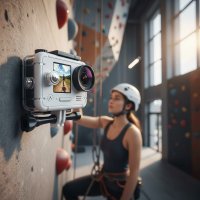
Hey there, fellow adventurers and tech enthusiasts! Alex “Apex” Ramirez here, your seasoned action cinematographer and gearhead from RWSTX.com. With over a decade of strapping cameras to everything from helmets to drones, I’ve witnessed the evolution of action cameras firsthand, and let me tell you, when it comes to capturing the pure, unadulterated thrill of the moment, nothing quite beats a helmet action camera. These compact powerhouses have transformed how we document our escapades, offering a first-person perspective that’s as immersive as it gets.
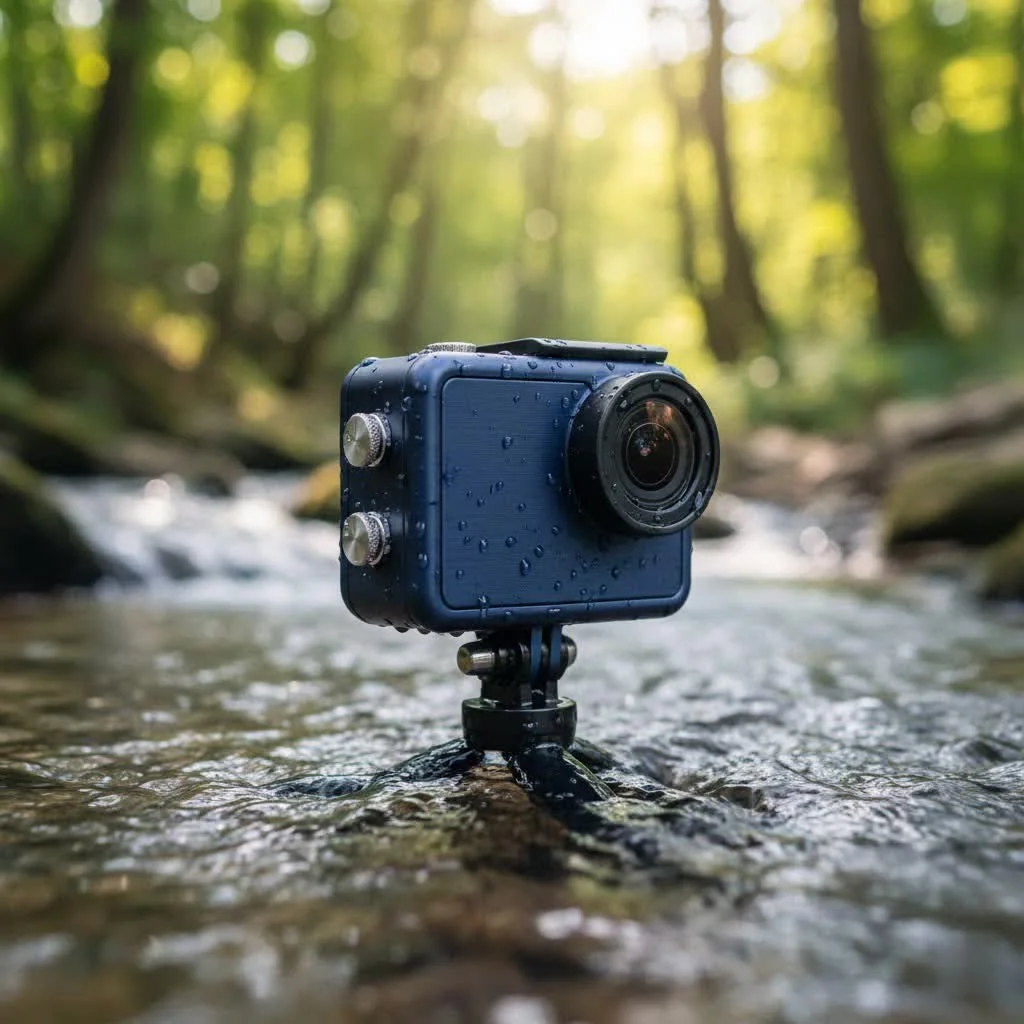
At RWSTX, we live and breathe action sports, constantly evaluating the latest innovations to bring you honest, in-depth insights. Today, we’re diving deep into the world of helmet action cameras, exploring everything from choosing the right model and mastering safe mounting techniques to unlocking creative potential and understanding crucial safety considerations. Our goal is to equip you with the knowledge to pick the perfect camera and capture breathtaking footage, cementing RWSTX as your go-to resource for all things action camera.
Why a Helmet Action Camera? The Unrivaled POV Advantage
Ever watched a jaw-dropping mountain biking descent or a nail-biting motorcycle race and wished you could experience it exactly as the rider did? That’s the magic of a helmet action camera. By placing the lens directly into your line of sight, these cameras offer an incredibly immersive point-of-view (POV) that no handheld or chest-mounted camera can replicate. You’re not just watching; you’re there, feeling every bump, turn, and epic jump right alongside the action.
Beyond the immersive storytelling, helmet cams offer hands-free operation, which is critical when your focus needs to be entirely on the activity at hand. Think about it: whether you’re carving through fresh powder, navigating a challenging trail, or cruising down an open road, your hands are busy. A helmet cam allows you to capture every second without missing a beat or compromising your safety. Plus, they can serve as an invaluable tool for incident recording, offering undeniable evidence in unforeseen circumstances.
Choosing Your Perfect Helmet Action Camera: Key Features to Look For
Selecting the right helmet action camera can feel a bit like choosing a co-pilot for your wildest adventures. There are so many great options out there, but knowing what features truly matter will help you narrow down the field to your ideal companion.
What video quality should I prioritize in a helmet camera?
When it comes to video quality, you should aim for at least 4K resolution at 30 frames per second (fps) for crisp, detailed footage. Many modern cameras now offer 4K at 60fps, or even 8K at 30fps for unparalleled clarity and the ability to crop later without significant quality loss. Higher frame rates like 120fps or 240fps are fantastic for creating stunning slow-motion sequences that truly highlight the intensity of your actions.
Why is image stabilization crucial for helmet-mounted footage?
|
Our Picks for the Best Action Camera in 2026
As an Amazon Associate I earn from qualifying purchases.
|
||
| Num | Product | Action |
|---|---|---|
| 1 | 4K 60FPS Waterproof Action Camera,Bare Metal 66FT Underwater Camera,2\" Touch Dual Screen Sports 6-Axis Stabilization,2 Batteries Internal Microphone Vlog Camera for Diving Cycling Outdoor |

|
| 2 | DJI Osmo Action 5 Pro Standard Combo, Waterproof Action Camera with 1/1.3\" Sensor, 4K/120fps Video, Subject Tracking, Stabilization, Dual OLED Touchscreens, Action Camera 4K Ideal for Sports, Vlog |
|
| 3 | ODDV 4K 30MP Waterproof Action Camera with 60FPS & Dual Screens, 132FT Underwater Camera with 64GB Card, EIS Stabilization, 5X Zoom, WiFi Remote Control Action Camera Ideal for Sports, Snorkeling |
|
| 4 | DJI Osmo Action 5 Pro Essential Combo, Waterproof Action Camera with 1/1.3\" Sensor, 4K/120fps Video, Subject Tracking, Stabilization, Dual OLED Touchscreens, Action Camera 4K Ideal for Sports, Vlog |
|
| 5 | Insta360 X5 - Waterproof 8K 360° Action Camera, Leading Low Light, Invisible Selfie Stick Effect, Rugged and Replaceable Lens, 3-Hour Battery, Built-in Wind Guard, Stabilization, Triple AI Chip Design |
|
| 6 | Apexcam Action Camera 4K with 64G SD Card Sports Cameras 20MP 131FT Waterproof Underwater Camera WiFi Cameras with 2.4G Remote Control, 2 Batteries, Mounting Accessories Kits |
|
| 7 | DJI Osmo Action 4 Essential Combo, 4K/120fps Waterproof Action Camera with a 1/1.3-Inch Sensor, Stunning Low-Light Imaging,10-bit & D-Log M Color Performance, Long-Lasting 160 Mins, Outdoor Camera |
|
| 8 | DJI Osmo Action 4 Standard Combo, 4K/120fps Waterproof Action Camera with a 1/1.3-Inch Sensor, Stunning Low-Light Imaging,10-bit & D-Log M Color Performance, Long-Lasting 160 Mins, Outdoor Camera |
|
| 9 | GoPro HERO13 Black - Waterproof Action Camera with 5.3K60 Video, 27MP Photo + Compatability with HB-Series Lenses |
|
| 10 | Mini Action Camera 4K - 128G Thumb Sports Camera with EIS Stabilization, Wearable POV Chest Camera, Waterproof for Running, Cycling, Swimming, Hiking, Outdoor Adventures |
|
Image stabilization is, without a doubt, one of the most critical features for any helmet action camera. Whether you’re on a bumpy trail or a vibrating motorcycle, robust electronic image stabilization (EIS) or proprietary systems like GoPro’s HyperSmooth or Insta360’s FlowState are essential for transforming shaky, unwatchable footage into smooth, cinematic clips. Look for cameras that excel in this area; it makes all the difference.
What’s the difference between wide-angle and 360-degree helmet cameras?
Traditional wide-angle cameras (like most GoPros or DJI Osmo Actions) offer a broad field of view, capturing what’s directly in front of you with a slightly warped “fish-eye” effect. 360-degree cameras, such as the Insta360 X series, record everything around you simultaneously, allowing you to reframe your shot after filming. This means you’ll never miss a moment, and you can create incredible “tiny planet” or “follow cam” effects. The choice depends on your creative vision and editing preference.
How important are durability and waterproofing for a helmet action camera?
Given the adventurous nature of their use, durability and waterproofing are non-negotiable. Your helmet action camera needs to withstand impacts, dust, mud, and water. Most reputable brands offer excellent waterproofing without an external case, often to depths of 10 meters (33 feet) or more. For extreme conditions, a dedicated protective housing can add an extra layer of peace of mind.
What should I consider regarding battery life and audio quality?
Battery life is always a balancing act. Longer battery life means less worry about running out of juice mid-adventure, but also potentially a heavier camera. Look for cameras with swappable batteries, or consider carrying spares. For audio, wind noise reduction is paramount. Nothing ruins epic footage faster than distorted wind buffeting. Some cameras offer advanced noise cancellation, while others benefit greatly from external microphone support and wind muffs, especially for motorcycle vlogging.
Does size and weight matter for a helmet action camera?
Absolutely. A smaller, lighter camera will be less noticeable on your helmet, reducing potential neck strain, minimizing aerodynamic drag, and often leading to more stable footage. Compact models like the Insta360 GO 3S are specifically designed to be nearly imperceptible, making them ideal for discreet capture.
What about ease of use and app integration?
An intuitive interface, a responsive touchscreen, and reliable voice control can make a huge difference, especially when you’re geared up and focused. Furthermore, strong mobile app integration for quick editing, sharing, and even remote control of your helmet action camera can streamline your workflow significantly. Insta360, for example, is renowned for its powerful and user-friendly editing apps.
Are there good budget-friendly helmet action camera options?
While top-tier models come with a premium price tag, there are excellent budget-friendly options available. Brands like Akaso offer capable 4K cameras with impressive feature sets for under $100, often including a generous accessory kit. While they might not match the raw image quality or advanced stabilization of the flagships, they provide fantastic value for aspiring action cam users.
Top Helmet Action Camera Models in 2025: And Why They Shine
The landscape of action cameras is constantly evolving, with new models pushing the boundaries of what’s possible. Based on our extensive testing and community feedback, here are some of the standout helmet action camera models making waves in 2025:
- GoPro Hero 13 Black: Still the industry benchmark for many, the Hero 13 Black continues to impress with its unparalleled HyperSmooth stabilization, robust build, and now, even more versatile lens mods. It delivers stunning 5.3K video and is a go-to for many professional action videographers.
- Insta360 X5 / X4: For those who want to capture literally everything, the Insta360 X series (X5 being the latest iteration) are kings. These 360-degree cameras offer incredible 8K video capture, allowing for endless reframing possibilities in post-production. The “invisible selfie stick” effect is perfect for creating drone-like shots from your helmet.
- Insta360 Ace Pro 2: A strong contender for traditional wide-angle capture, the Ace Pro 2 boasts a Leica SUMMARIT lens and dual AI chips, delivering exceptional image quality, especially in challenging low-light conditions thanks to its PureVideo Mode. It’s a powerhouse for cinematic POV shots.
- Insta360 GO 3S: If size and stealth are your priorities, the GO 3S is a marvel. Weighing just 39g, this tiny camera can be magnetically mounted almost anywhere on your helmet, providing crisp 4K video with FlowState stabilization. Its Action Pod accessory adds a flippable touchscreen and extended battery life.
- DJI Osmo Action 4: Known for its impressive battery life and excellent stabilization, the Osmo Action 4 offers a compelling alternative. It’s a rugged, reliable choice with strong low-light performance, making it a favorite for many action sports enthusiasts.
- Akaso EK7000 Pro: For budget-conscious users, the Akaso EK7000 Pro continues to be a fantastic entry point. It captures 4K video, features image stabilization, and comes with a host of accessories, proving that quality doesn’t always have to break the bank.
Mounting Your Helmet Action Camera: Secure & Strategic Placement
Proper mounting of your helmet action camera is paramount, not just for getting the best shot but, more importantly, for ensuring your safety. Never compromise on security for an angle.
What are the safest ways to attach an action camera to a helmet?
Safety always comes first. The safest methods for attaching an action camera to a helmet involve adhesive mounts, strap mounts, or purpose-built chin mounts. Crucially, never drill holes into your helmet, as this can compromise its structural integrity and void its safety certification. Always ensure the mount is designed to break away in an impact to prevent it from snagging or acting as a lever.
- Adhesive Mounts: These are arguably the most popular and versatile. They come in curved and flat varieties to match your helmet’s surface. For maximum strength, heat the adhesive slightly before application and allow it to cure for 12-24 hours. GoPro’s adhesive mounts are a prime example, allowing for customized placement and angles.
- Strap Mounts: Ideal for vented helmets (like many cycling helmets), strap mounts thread through the vents, providing a secure, adjustable attachment without permanent adhesives. They are easy to install and remove, offering flexibility for different helmet uses.
- Chin Mounts: Particularly favored by motorcycle vloggers, chin mounts place the camera directly on the front of your helmet’s chin bar. This offers an excellent, aerodynamic POV that closely mimics your natural line of sight and is often ideal for capturing clear audio by placing a microphone close to your mouth, protected from wind noise by the visor.
- Side Mounts: While offering a different perspective, side mounts can protrude more and might be more prone to snagging on branches or obstacles, which is a safety consideration. If you use one, ensure it’s positioned carefully and that the mount has a breakaway design.
Pro Tip from Alex “Apex” Ramirez: “Always use a safety tether in addition to your primary mount, especially in high-speed or high-impact activities. It’s a tiny bit of extra effort that can save your expensive camera from an unexpected plunge!”
Beyond the Mount: Tips & Tricks for Epic Helmet Cam Footage
Mounting your helmet action camera is just the beginning. To truly elevate your footage from good to great, a few pro tips can make all the difference.
- Master Your Angles: Experiment! While chin mounts offer a natural POV, try a slightly higher top mount for a broader perspective, or a side mount for a unique lean angle shot. Review your footage often to understand what works best for your activity and helmet type.
- Maximize Stabilization: Even with a great camera, understanding its stabilization settings is key. Most cameras offer various modes (e.g., standard, enhanced, boost). Always use the most robust stabilization setting applicable to your resolution and frame rate to ensure buttery-smooth video.
- Embrace Good Lighting: Action cameras perform best in well-lit conditions. Shooting with the sun at your back or side will generally yield the most vibrant and detailed footage. While modern cameras handle low light better, always try to make the most of available light.
- Enhance Your Audio: Wind noise is the arch-nemesis of good action cam audio. Utilize your camera’s wind noise reduction features. For clearer commentary or engine sounds, an external microphone with a foam wind cover, strategically placed, can dramatically improve sound quality.
- Streamline Your Editing Workflow: For 360 cameras, learn the reframing process. It’s a powerful tool! For all footage, basic cuts, color grading, and speed ramps can transform raw clips into engaging stories. Don’t be afraid to try different editing apps – many come with user-friendly interfaces.
- Be a Storage and Battery Pro: High-resolution footage eats up storage and battery life quickly. Always carry spare, fully charged batteries and multiple high-speed microSD cards. Offload your footage regularly to avoid losing precious captures.
Addressing the Elephant in the Room: Helmet Camera Safety
As an advocate for capturing incredible content, I must also stress the importance of understanding the safety implications of a helmet action camera. It’s a topic often debated, and while the risks are generally low with proper precautions, they are worth discussing.
Are helmet action cameras safe in a crash?
The primary concern with helmet-mounted cameras in a crash is the potential for the camera or its mount to snag on an obstacle, creating rotational forces on the head or concentrating impact forces in a small area, potentially compromising helmet integrity. Some racing bodies, like FIM, have even banned helmet-mounted cameras in international racing due to these concerns.
However, many manufacturers and independent studies suggest that with correctly designed breakaway mounts, the risk is minimal, especially with full-face helmets. The key is that the mount should detach or break upon significant impact, rather than remaining rigidly attached. Helmet manufacturers generally advise against attaching anything to their helmets as it can void warranties or impact safety ratings. This is largely a liability issue, but it reinforces the need for careful consideration.
Expert Insight: “From my decade behind the lens, both as an action cinematographer and an enthusiast pushing gear to its limits, I’ve seen how helmet cameras have revolutionized POV storytelling. But remember, the best shot is always a safe shot. Prioritize secure mounting and understand your gear’s limitations before you hit record,” says Alex “Apex” Ramirez, Senior Action Cam Specialist at RWSTX.com.
Aerodynamics can also play a minor role. Adding a camera, especially a larger one, can slightly alter the helmet’s aerodynamics, potentially causing a bit of pull at higher speeds. While usually negligible for most riders, it’s something to be aware of during long rides.
Ultimately, for most recreational use, a well-mounted helmet action camera with a breakaway design poses a very low risk. The benefits of capturing crucial evidence or incredible memories often outweigh these minimal, but important, considerations.
Essential Accessories for Your Helmet Cam Setup
No helmet action camera setup is complete without a few key accessories. These extras enhance functionality, extend battery life, and ensure your camera is always ready for action.
- Extra Batteries & Chargers: You can never have too many. Portable chargers are also a lifesaver on longer trips.
- High-Speed MicroSD Cards: Invest in several high-capacity, high-speed cards (U3 or V30 rating) to handle 4K/8K footage and ensure smooth recording.
- Protective Housing: Essential for extreme sports, deep water, or very dusty environments to shield your camera from damage.
- External Microphones & Wind Muffs: For superior audio quality, especially crucial for vlogging or capturing ambient sounds without wind interference.
- Variety of Mounts: Having a selection of adhesive, strap, and chin mounts allows you to adapt to different helmets and activities.
- Safety Tethers: A small but critical accessory that can prevent your camera from being lost if the primary mount fails.
- Carrying Case: A padded case protects your camera and accessories during transport.
Conclusion
Embracing a helmet action camera opens up a world of immersive storytelling, allowing you to relive and share your most thrilling moments with unparalleled authenticity. From the cutting-edge stabilization of a GoPro Hero to the versatile 360-degree capture of an Insta360, there’s a perfect camera out there for every adventure.
Remember, the journey to epic footage starts with a smart choice of gear, continues with secure and strategic mounting, and is perfected with an understanding of essential tips and safety precautions. At RWSTX.com, we’re passionate about helping you maximize your action camera experience. So, go ahead, explore the possibilities, capture your next unforgettable ride or daring feat, and don’t forget to share your stories with us! Happy filming, and stay safe out there!
Get our weekly buyer guide
Practical specs, not advice. Unsubscribe anytime.