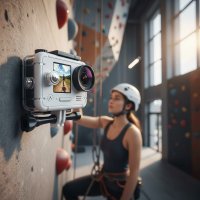
Hey there, fellow adventurers and tech enthusiasts! As someone who’s spent over a decade chasing the perfect shot, from dawn patrols to deep-night expeditions, I know the thrill of capturing those unforgettable moments. But what happens when the sun dips below the horizon, and darkness descends? That’s where the magic of a night vision action camera comes in. Here at RWSTX.com, we’re all about pushing boundaries and exploring what’s possible with our gear, and few areas are as exciting – and challenging – as filming in low light.
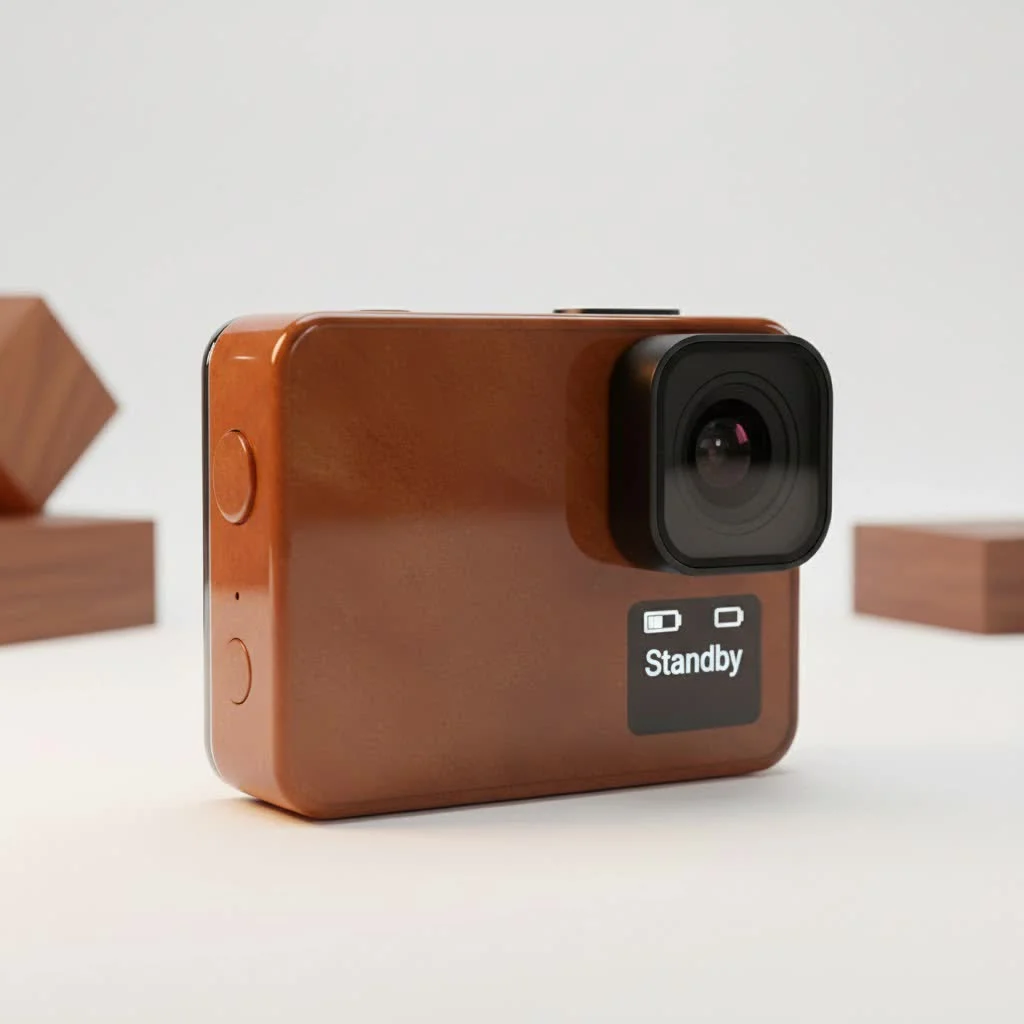
For years, “action camera” and “night vision” felt like contradictory terms. Action cameras, with their compact size and robust builds, were often synonymous with bright, sunny adventures. But technology marches on, and today, capturing crisp, detailed footage when the stars are out is not just a dream – it’s a tangible reality, thanks to advancements in night vision action camera technology. Let’s dive deep into how these incredible devices work and how you can harness their power to bring your nocturnal narratives to life.
What Exactly is a Night Vision Action Camera?
At its core, a night vision action camera is a specialized portable device designed to capture high-quality video and photos in extremely low-light conditions, even near total darkness. Unlike standard action cameras that might struggle to produce anything more than a grainy, blurry mess once the light fades, a night vision action camera is engineered with specific hardware and software to illuminate the unseen. We’re talking about cameras that reveal the hidden world of nocturnal wildlife, the eerie beauty of a moonlit landscape, or the subtle details of an urban nightscape that our naked eyes might miss.
These cameras aren’t just for security; they’re for creators who refuse to let the day end when the sun goes down. They bridge the gap between dedicated professional night vision devices and the everyday action cam, offering a versatile tool for adventurers, vloggers, and filmmakers who crave extended creative possibilities.
How Do Action Cameras “See” in the Dark? The Tech Behind Night Vision
Understanding how a night vision action camera operates is like peering into the fascinating world of invisible light and advanced image processing. These cameras employ several ingenious technologies to transform darkness into visible, recordable imagery.
Infrared (IR) Illumination: The Invisible Torch
One of the most common methods is infrared (IR) illumination. Imagine a flashlight, but one that emits light invisible to the human eye. This is what IR LEDs do. Built into many night vision action cameras, these LEDs flood the scene with infrared light. The camera’s sensor, which is much more sensitive to the IR spectrum than our eyes, then captures this reflected light. The result? A clear, often black-and-white, image of the environment, even in pitch darkness. This technique is simple, effective, and relatively inexpensive to implement, making it a staple in many night vision action camera designs.
Light Amplification: Boosting Faint Glows
|
Our Picks for the Best Action Camera in 2026
As an Amazon Associate I earn from qualifying purchases.
|
||
| Num | Product | Action |
|---|---|---|
| 1 | ODDV 4K 30MP Waterproof Action Camera with 60FPS & Dual Screens, 132FT Underwater Camera with 64GB Card, EIS Stabilization, 5X Zoom, WiFi Remote Control Action Camera Ideal for Sports, Snorkeling |

|
| 2 | DJI Osmo Action 5 Pro Standard Combo, Waterproof Action Camera with 1/1.3\" Sensor, 4K/120fps Video, Subject Tracking, Stabilization, Dual OLED Touchscreens, Action Camera 4K Ideal for Sports, Vlog |
|
| 3 | DJI Osmo Action 4 Essential Combo, 4K/120fps Waterproof Action Camera with a 1/1.3-Inch Sensor, Stunning Low-Light Imaging,10-bit & D-Log M Color Performance, Long-Lasting 160 Mins, Outdoor Camera |
|
| 4 | 4K 60FPS Waterproof Action Camera,Bare Metal 66FT Underwater Camera,2\" Touch Dual Screen Sports 6-Axis Stabilization,2 Batteries Internal Microphone Vlog Camera for Diving Cycling Outdoor |
|
| 5 | DJI Osmo Action 5 Pro Essential Combo, Waterproof Action Camera with 1/1.3\" Sensor, 4K/120fps Video, Subject Tracking, Stabilization, Dual OLED Touchscreens, Action Camera 4K Ideal for Sports, Vlog |
|
| 6 | Apexcam Action Camera 4K with 64G SD Card Sports Cameras 20MP 131FT Waterproof Underwater Camera WiFi Cameras with 2.4G Remote Control, 2 Batteries, Mounting Accessories Kits |
|
| 7 | DJI Osmo Action 4 Standard Combo, 4K/120fps Waterproof Action Camera with a 1/1.3-Inch Sensor, Stunning Low-Light Imaging,10-bit & D-Log M Color Performance, Long-Lasting 160 Mins, Outdoor Camera |
|
| 8 | Mini Action Camera 4K - 128G Thumb Sports Camera with EIS Stabilization, Wearable POV Chest Camera, Waterproof for Running, Cycling, Swimming, Hiking, Outdoor Adventures |
|
| 9 | Insta360 X5 - Waterproof 8K 360° Action Camera, Leading Low Light, Invisible Selfie Stick Effect, Rugged and Replaceable Lens, 3-Hour Battery, Built-in Wind Guard, Stabilization, Triple AI Chip Design |
|
| 10 | GoPro HERO13 Black - Waterproof Action Camera with 5.3K60 Video, 27MP Photo + Compatability with HB-Series Lenses |
|
Another powerful technique involves light amplification. This doesn’t add light, but rather takes the tiny amounts of ambient light already present – think starlight, moonlight, or distant city glow – and intensifies it dramatically. This is typically achieved through an image intensifier tube, which converts photons of light into electrons, accelerates them, amplifies their number, and then converts them back into visible light on a phosphor screen. This process can make a barely visible scene appear bright enough to film. While traditional image intensifiers often produce the iconic green-hued night vision, modern digital amplification can also offer clearer, more natural-looking results.
Full-Color Night Vision: Bringing the Spectrum to Life
For many years, night vision meant a monochromatic (green or black-and-white) image. But the game has changed with the advent of full-color night vision. Some advanced night vision action cameras achieve this by combining ultra-sensitive large sensors with powerful image processing algorithms, often incorporating Artificial Intelligence (AI) for noise reduction and color accuracy. AKASO Seemor, for example, utilizes AI-ISP technology with a large CMOS sensor to deliver “True Full-Color Night Vision” even in ultra-low light conditions. Others might integrate a subtle spotlight that activates in extremely dark situations to provide just enough visible light for the sensor to capture full-color details. This is a game-changer for identifying details like colors, making your night footage much more informative and aesthetically pleasing.
The Heart of the Camera: Sensors and Lenses
Regardless of the illumination method, the core components crucial to a night vision action camera’s performance are its image sensor and lens. A larger sensor (e.g., 1/1.3-inch or even 1-inch) can gather significantly more light, which is fundamental for low-light capture. Coupled with a wide aperture lens (e.g., f/1.3 or f/1.8), which allows more light to reach the sensor, these cameras can pull in faint details that smaller sensors and narrower apertures simply miss. High ISO ranges further boost light sensitivity, though careful balancing is needed to avoid excessive digital noise. Advanced image processing, often utilizing AI, then refines this raw data, reducing noise and enhancing clarity to produce a superior final image.
Top Action Cameras Excelling in Low Light and Night Vision
Having tested countless action cameras in every conceivable environment, I can tell you that not all low-light claims are created equal. However, a few models truly stand out when it comes to night vision action camera performance.
SJCAM SJ20: The Dual-Lens Innovator
SJCAM made waves with their SJ20, boasting a unique dual-lens setup. One lens is optimized for daytime, and the other, with a wide f/1.3 aperture, is specifically designed for night shooting. This specialized approach means you get dedicated hardware for different lighting scenarios, promising high-quality results around the clock. With 4K video and a 6-axis gyroscope for stabilization, the SJ20 is a strong contender for those seeking a versatile night vision action camera.
AKASO Seemor: AI-Powered Full-Color Vision
The AKASO Seemor is a remarkable entry, especially for its “World’s First AI-ISP True Full-Color Night Vision.” By combining an innovative AI-ISP technology with a large 1/1.79” CMOS sensor, it aims to deliver sharper, clearer, and more detailed night vision footage with impressive color reproduction. Imagine capturing the vibrant hues of a campfire or the subtle shades of a nocturnal flower without losing color information to the darkness.
Insta360 Ace Pro 2: Leica Optics for the Dark
The Insta360 Ace Pro 2 has quickly established itself as a frontrunner for low-light performance. Co-engineered with Leica, its SUMMARIT lens and a substantial 1/1.3″ sensor, combined with “PureVideo” technology, significantly reduce noise and enhance clarity in dim conditions. This night vision action camera delivers stunning sharpness and vibrant footage, making it a favorite for night vloggers and filmmakers. Its large sensor and advanced processing truly make a difference when the light gets scarce.
DJI Osmo Action 4 & 5 Pro: Reliable Low-Light Performers
DJI has consistently delivered strong low-light capabilities in its Osmo Action series. The Osmo Action 4 is praised as a budget-friendly option that still offers impressive night performance and better natural detail compared to some competitors. Its successor, the Osmo Action 5 Pro, also delivers excellent night vision results, boasting features like an adjustable aperture and an even larger 1/1.1-inch square CMOS sensor in newer iterations, enhancing its ability to pick up low-light footage. These cameras provide reliable stabilization and overall excellent image quality, making them solid choices for any night vision action camera enthusiast.
Essential Features to Look for in a Night Vision Action Camera
When you’re ready to invest in a night vision action camera, keep these crucial features in mind to ensure you get the best tool for your adventures:
- Large Sensor Size: As discussed, a larger sensor (e.g., 1/1.3″ or 1-inch) is paramount for gathering more light, leading to brighter, less noisy images.
- Wide Aperture Lens: An f/stop number like f/1.3 or f/1.8 indicates a wider aperture, which allows more light to enter the camera, crucial for low-light performance.
- High ISO Range with Good Noise Reduction: While a high ISO boosts sensitivity, it often introduces noise. Look for cameras that offer a broad ISO range but also feature advanced noise reduction algorithms (often AI-powered) to keep your footage clean.
- Robust Image Stabilization: Motion blur is amplified in low light. Electronic (EIS) or Optical Image Stabilization (OIS) is vital for smooth, clear footage, especially during active night shooting.
- Dedicated Low-Light Modes: Some cameras offer specific modes (like “PureVideo” or “Low-Light Video Mode”) that optimize settings and processing for challenging lighting conditions.
- Battery Life: Night recording can be power-intensive, especially with IR illumination. Look for cameras with extended battery life (e.g., 7-8 hours like the SJCAM SJ20 or AKASO Seemor, or 4 hours for the DJI Action 5 Pro) or options for external battery packs.
- Durability and Weatherproofing: Night adventures often mean unpredictable conditions. Ensure your night vision action camera is built to withstand drops, water, and extreme temperatures.
Mastering Night Shots: Tips and Tricks for Your Action Camera
Even with the best night vision action camera, knowing a few pro tips can elevate your nighttime footage from good to truly great.
Tweaking Your Settings for Optimal Clarity
When shooting in low light, manually adjust your camera settings if possible.
- Shutter Speed: Use a slower shutter speed to allow more light in, but be mindful of motion blur if your subject is moving.
- ISO: Experiment with higher ISO settings, but monitor for noise. Modern cameras can handle higher ISOs better.
- Aperture: Keep your aperture as wide as possible (lowest f-number).
- Frame Rate: Sometimes, dropping your frame rate slightly (e.g., from 60fps to 30fps) can allow the camera to gather more light per frame.
Shedding More Light: External IR Illuminators
If your camera relies on IR and you need more reach or even illumination, consider an external IR torch or light panel. These can significantly extend your camera’s night vision capabilities, brightening up distant subjects or wide scenes that the built-in IR might miss. Just remember that these will still result in black-and-white footage.
Stability is Key: Battling Motion Blur
In low light, motion blur becomes a much bigger issue. Beyond your camera’s built-in stabilization, consider using a sturdy tripod, a gimbal, or other mounting accessories that minimize camera shake. If you’re hand-holding, try to brace yourself or lean against a stable surface.
Post-Production Magic
Don’t underestimate the power of editing! Software can help you reduce noise, enhance sharpness, and adjust contrast and exposure in your night footage. AI editing tools are becoming increasingly sophisticated, offering automated improvements that can really polish your final video.
The Realities and Limitations of Night Vision Action Cameras
While night vision action cameras have come a long way, it’s important to have realistic expectations. They are incredible tools, but they do have limitations:
- Sensor Size Compromise: Action cameras are inherently compact, which often means smaller sensors than dedicated mirrorless cameras or DSLRs. While advancements are being made, this still presents a challenge for ultimate low-light performance compared to larger sensor cameras.
- Motion Blur: Capturing fast-moving action in very low light without significant motion blur remains difficult, even with advanced stabilization. Slower shutter speeds for more light can lead to blurred subjects.
- IR Range and Uniformity: Built-in IR LEDs have a limited effective range, typically illuminating only a relatively close area. Beyond that, footage can become dark or unevenly lit.
- Monochromatic vs. Color: While full-color night vision is improving, many night vision action cameras still produce black-and-white images in true darkness when relying solely on IR illumination.
- Intrusiveness of White Light: For full-color night vision that uses a visible light source, this can be intrusive and alert wildlife or people to your presence, which might not always be desired.
As our resident tech expert, Dr. Elara Vance often reminds us, “Every technology has its trade-offs. The art lies in understanding these limitations and leveraging a night vision action camera’s strengths to tell your story, rather than battling its inherent design.”
Must-Have Accessories for Your Nighttime Adventures
To truly maximize your night vision action camera experience, a few accessories are indispensable:
- External Battery Packs: Extending shooting time is crucial for long night sessions.
- Sturdy Mounts and Tripods: Essential for stable, blur-free footage.
- External IR Illuminators: For enhanced range and brightness in IR mode.
- Protective Cases: For durability against the elements during nocturnal explorations.
- ND Filters (for dawn/dusk): While counterintuitive for night, these are excellent for managing light transitions during sunrise or sunset, preventing overexposure before true darkness sets in.
Frequently Asked Questions (FAQ)
1. Can a regular action camera be used for night vision?
While a regular action camera might capture some usable footage in very dim light, it will generally produce grainy, noisy, and poorly detailed results compared to a dedicated night vision action camera or one specifically optimized for low light.
2. Do night vision action cameras work in complete darkness?
Yes, night vision action cameras utilizing infrared (IR) illumination can work in complete darkness by emitting and capturing invisible IR light, producing visible images for the camera.
3. Is night vision always black and white?
Not anymore! While traditional IR night vision often produces black-and-white images, advancements in sensor technology, image processing, and sometimes the use of subtle visible spotlights allow modern night vision action cameras to capture full-color footage in low-light conditions.
4. What’s the most important feature for low-light action camera performance?
The most critical features are a large image sensor and a wide aperture lens, as these components are fundamental for gathering as much light as possible, which is essential for clarity and reducing noise in dark environments.
5. How can I improve my night vision action camera footage?
To improve your footage, optimize camera settings (ISO, shutter speed, aperture), use external IR illuminators if needed, ensure maximum stability with mounts or gimbals, and leverage post-production editing for noise reduction and enhancement.
6. Are night vision action cameras good for spotting wildlife?
Yes, many night vision action cameras are excellent for spotting and recording nocturnal wildlife, especially those with good IR range or full-color capabilities, allowing you to observe animals without disturbing them with visible light.
Embrace the Night with RWSTX
The world doesn’t go dark when the sun sets; it simply transforms, revealing a different kind of beauty and adventure. With a capable night vision action camera, you’re no longer limited to daylight hours. You can capture those hushed moments, the vibrant nocturnal scenes, and the thrilling after-dark escapades that once seemed impossible.
Here at RWSTX.com, we’re passionate about empowering you to tell your stories, no matter the conditions. We believe that with the right gear and a dash of creativity, you can conquer any environment. So, gear up, embrace the shadows, and let your night vision action camera open up a whole new world of filming possibilities. Don’t just dream of epic night shots – go out and capture them! Explore more guides and reviews on RWSTX to find your perfect nocturnal companion.
Get our weekly buyer guide
Practical specs, not advice. Unsubscribe anytime.