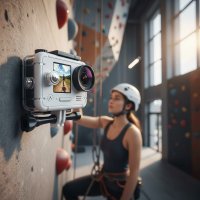
Diving beneath the waves reveals a world of vibrant color, mesmerizing creatures, and breathtaking landscapes. For years, capturing this hidden realm was a complex and expensive endeavor reserved for professionals. Today, thanks to the incredible evolution of the underwater action camera, anyone can document their aquatic adventures in stunning high-definition. As a professional filmmaker at RWSTX with over a decade of experience strapping cameras to everything from surfboards to scuba tanks, I’ve seen these little powerhouses transform how we share our stories. This guide is your deep dive into choosing, using, and mastering your camera to bring back jaw-dropping footage from below the surface.
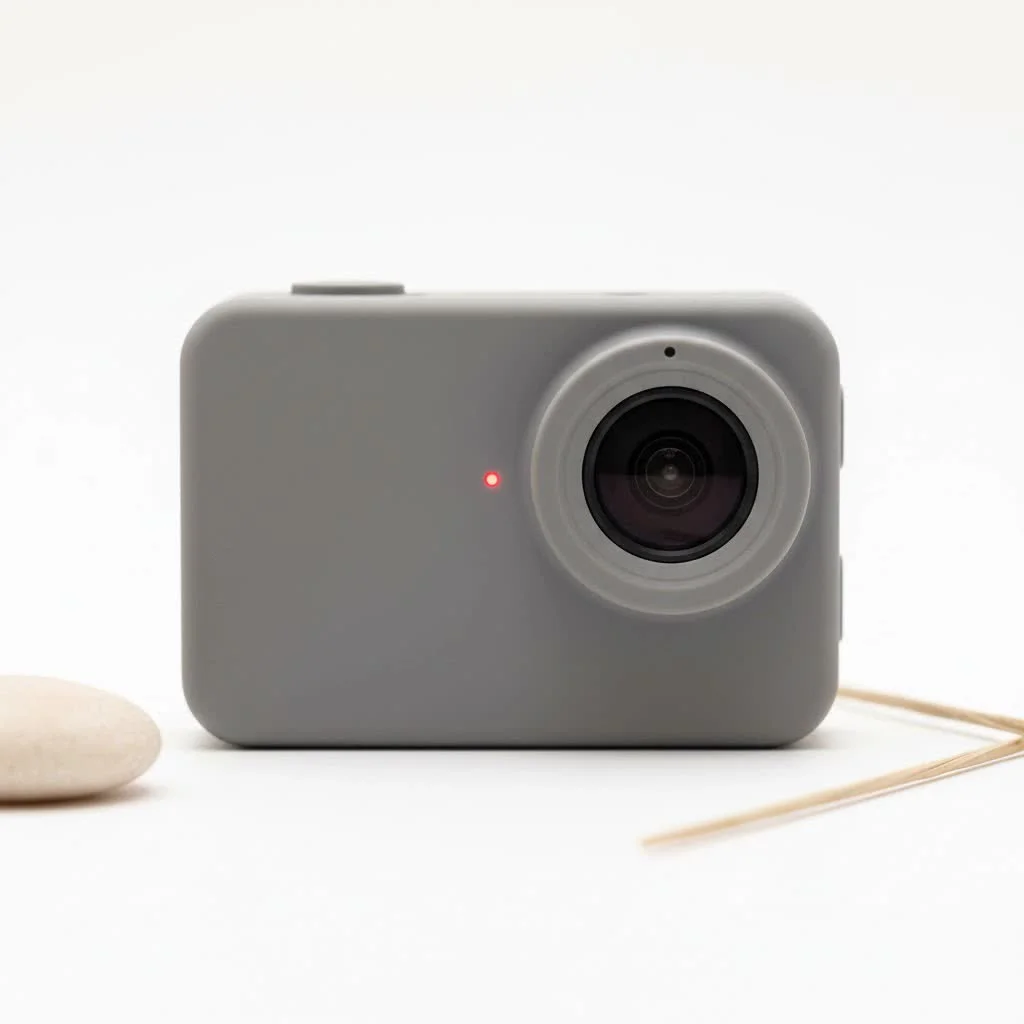
An underwater action camera isn’t just about being waterproof; it’s about durability, image quality, and features specifically designed to handle the unique challenges of filming in water. From casual snorkeling in a crystal-clear bay to exploring the mysterious depths of a wreck, the right camera can make all the difference.
What Makes a Great Underwater Action Camera?
Not all action cameras are created equal when it comes to underwater performance. When you’re shopping for a device to take on your aquatic journeys, there are several key features you must consider. Understanding these will help you see past the marketing jargon and focus on what truly matters for capturing amazing underwater shots.
Waterproofing and Depth Rating
This is the most obvious feature, but it has its nuances. Most modern action cameras are waterproof out of the box, typically to a depth of 10 meters (33 feet). This is perfect for snorkeling, surfing, or poolside fun. However, for scuba diving, you’ll need a dedicated dive housing. These external cases significantly increase the depth rating, often to 60 meters (197 feet), while also providing extra protection against bumps and scratches. Always check the native depth rating and the maximum depth of the optional housing.
Image Quality and Low-Light Performance
Water is a natural filter for light. The deeper you go, the more light and color are lost. A camera with a larger sensor and a high-quality lens will perform significantly better in these low-light conditions. Look for cameras that can shoot in high resolutions like 4K or even 5.3K, as this gives you more flexibility in post-production. Frame rates are also crucial; shooting at 60fps or 120fps allows you to create silky-smooth slow-motion footage of marine life.
Rock-Solid Image Stabilization
The underwater world is in constant motion, and so are you. Excellent electronic image stabilization (EIS) is non-negotiable. Top-tier stabilization systems, like GoPro’s HyperSmooth or DJI’s RockSteady, work like a digital gimbal to smooth out the shakes and jitters from swimming or dealing with currents. This is the feature that separates amateur-looking, shaky footage from professional, cinematic shots.
Battery Life
|
Our Picks for the Best Action Camera in 2026
As an Amazon Associate I earn from qualifying purchases.
|
||
| Num | Product | Action |
|---|---|---|
| 1 | DJI Osmo Action 4 Essential Combo, 4K/120fps Waterproof Action Camera with a 1/1.3-Inch Sensor, Stunning Low-Light Imaging,10-bit & D-Log M Color Performance, Long-Lasting 160 Mins, Outdoor Camera |

|
| 2 | 4K 60FPS Waterproof Action Camera,Bare Metal 66FT Underwater Camera,2\" Touch Dual Screen Sports 6-Axis Stabilization,2 Batteries Internal Microphone Vlog Camera for Diving Cycling Outdoor |
|
| 3 | DJI Osmo Action 5 Pro Standard Combo, Waterproof Action Camera with 1/1.3\" Sensor, 4K/120fps Video, Subject Tracking, Stabilization, Dual OLED Touchscreens, Action Camera 4K Ideal for Sports, Vlog |
|
| 4 | Mini Action Camera 4K - 128G Thumb Sports Camera with EIS Stabilization, Wearable POV Chest Camera, Waterproof for Running, Cycling, Swimming, Hiking, Outdoor Adventures |
|
| 5 | DJI Osmo Action 5 Pro Essential Combo, Waterproof Action Camera with 1/1.3\" Sensor, 4K/120fps Video, Subject Tracking, Stabilization, Dual OLED Touchscreens, Action Camera 4K Ideal for Sports, Vlog |
|
| 6 | Apexcam Action Camera 4K with 64G SD Card Sports Cameras 20MP 131FT Waterproof Underwater Camera WiFi Cameras with 2.4G Remote Control, 2 Batteries, Mounting Accessories Kits |
|
| 7 | Insta360 X5 - Waterproof 8K 360° Action Camera, Leading Low Light, Invisible Selfie Stick Effect, Rugged and Replaceable Lens, 3-Hour Battery, Built-in Wind Guard, Stabilization, Triple AI Chip Design |
|
| 8 | GoPro HERO13 Black - Waterproof Action Camera with 5.3K60 Video, 27MP Photo + Compatability with HB-Series Lenses |
|
| 9 | ODDV 4K 30MP Waterproof Action Camera with 60FPS & Dual Screens, 132FT Underwater Camera with 64GB Card, EIS Stabilization, 5X Zoom, WiFi Remote Control Action Camera Ideal for Sports, Snorkeling |
|
| 10 | DJI Osmo Action 4 Standard Combo, 4K/120fps Waterproof Action Camera with a 1/1.3-Inch Sensor, Stunning Low-Light Imaging,10-bit & D-Log M Color Performance, Long-Lasting 160 Mins, Outdoor Camera |
|
There’s nothing worse than your camera dying mid-dive. Cold water can drain batteries faster than on-land use, so battery life is a critical consideration. Look for cameras with long-lasting, swappable batteries. Many modern cameras feature advanced battery technology that improves performance in colder temperatures, which is a significant plus for divers.
Top Underwater Action Cameras on the Market
The market is competitive, but a few models consistently rise to the top for their underwater capabilities. As part of our work at RWSTX, we rigorously test these cameras in real-world conditions.
1. GoPro HERO Series
The name GoPro is synonymous with action cameras for a reason. The latest models are waterproof to 10 meters without a case and boast industry-leading HyperSmooth stabilization. Their color science is vibrant, and the massive ecosystem of mounts and accessories makes them incredibly versatile. For serious underwater filming, the Protective Housing is a must-have accessory.
2. DJI Osmo Action Series
DJI has become a formidable competitor to GoPro. The Osmo Action series excels in low-light performance thanks to its large sensor and advanced color temperature sensor, which helps produce more natural-looking colors underwater. They are also natively waterproof, and their quick-release magnetic mounting system is a clever and convenient feature for switching between setups.
3. Insta360 Ace Pro
Co-engineered with Leica, the Insta360 Ace Pro stands out with its massive 1/1.3-inch sensor, which delivers exceptional image quality and dynamic range, especially in challenging underwater light. It features a unique 2.4-inch flip screen, which is incredibly useful for framing shots. It is waterproof to 10 meters, with an optional dive case available for deeper excursions.
| Feature | GoPro HERO12 Black | DJI Osmo Action 4 | Insta360 Ace Pro |
|---|---|---|---|
| Native Waterproofing | 10m (33ft) | 18m (59ft) | 10m (33ft) |
| Max Depth (with Case) | 60m (197ft) | 60m (197ft) | 60m (197ft) |
| Sensor Size | 1/1.9″ | 1/1.3″ | 1/1.3″ |
| Max Video Resolution | 5.3K at 60fps | 4K at 120fps | 4K at 120fps |
| Stabilization | HyperSmooth 6.0 | RockSteady 3.0+ | FlowState Stabilization |
Essential Accessories for Your Underwater Rig
The camera is just the beginning. The right accessories will elevate your footage from good to great and make your underwater filming experience smoother and safer.
- Dive Housing: As mentioned, this is non-negotiable for scuba diving. It protects your investment and ensures your camera can handle the pressure.
- Red and Magenta Filters: As you descend, water absorbs red light first, which can leave your footage looking blue or green. A red filter (for blue water) or a magenta filter (for green water) physically attaches to your lens or housing to restore this lost color, giving you a much more natural and vibrant image directly from the camera.
- Floating Hand Grip: A simple yet brilliant accessory. A floating grip provides a stable way to hold your camera and ensures that if you accidentally let go, your precious underwater action camera will float to the surface instead of sinking into the abyss.
- Video Lights: For deeper dives or exploring inside wrecks and caves, natural light isn’t enough. A tray with one or two powerful video lights will illuminate your subjects, revealing their true colors and creating a much more dynamic shot.
How to Shoot Stunning Underwater Video: Pro Tips
Having the best gear is one thing; knowing how to use it is another. Over the years, I’ve developed a set of core principles for capturing compelling footage beneath the surface.
1. Master Your Buoyancy
Before you even think about filming, your buoyancy control as a swimmer or diver must be second nature. Uncontrolled movements lead to shaky, unprofessional footage and can also damage fragile marine ecosystems. Practice staying perfectly neutral in the water so you can glide smoothly and hold steady shots.
2. Get Close, Then Get Closer
Water is dense and often filled with particles, which reduces sharpness and color. The less water there is between your lens and your subject, the better your footage will look. The wide-angle lenses on action cameras are perfect for this, allowing you to get just inches away from a subject while still capturing its environment.
3. Use the Light to Your Advantage
Just like in topside photography, light is everything. Try to keep the sun behind you so that it illuminates the front of your subject. Avoid shooting directly into the sun unless you are intentionally trying to create a silhouette. Pay attention to how light dapples through the water’s surface—these “sunbeams” can add a magical quality to your shots.
4. Choose the Right Camera Settings
- Resolution: Shoot in the highest resolution your camera offers (like 4K or 5.3K). This gives you the most detail and the ability to crop your shots in editing without losing quality.
- Frame Rate: For general filming, 30fps is fine. But for capturing fast-moving fish or creating epic slow-motion sequences, shoot at 60fps or 120fps.
- Field of View (FOV): A wide field of view is generally best for underwater shots as it creates an immersive feel. However, some cameras offer a narrower FOV which can help reduce the distortion common with wide-angle lenses.
“The best underwater camera is the one that lets you forget the tech and focus on the magic of the ocean,” says my colleague, marine biologist Dr. Alistair Finch. “Master these basics so operating your camera becomes second nature, allowing you to be present in the moment and capture those once-in-a-lifetime encounters.”
Frequently Asked Questions (FAQ)
Do I need a dive housing if my camera is already waterproof?
Yes, if you are scuba diving. Most cameras are only waterproof to 10 meters (33 feet). A dive housing is essential to protect your camera from the intense pressure at deeper depths.
What are the best settings for an underwater action camera?
A great starting point is 4K resolution at 60fps. This provides a high-quality, detailed image with the flexibility to create smooth slow-motion. Set your field of view to “Wide” and ensure your image stabilization is on its highest setting.
How do I prevent my camera lens from fogging up?
Fogging is caused by a temperature difference between the camera and the water. You can prevent this by using anti-fog inserts inside the waterproof housing. They work by absorbing moisture, keeping your lens and port crystal clear.
How deep can an underwater action camera go?
This varies by model. Natively, most are rated for 10 meters (33 feet). With a proper official dive housing, this is typically extended to 60 meters (197 feet), which is suitable for most recreational scuba diving.
Can I use my action camera for snorkeling?
Absolutely! An action camera is the perfect tool for snorkeling. It’s small, durable, and its native waterproofing is more than sufficient for surface activities. A floating grip is highly recommended.
Your Underwater Adventure Awaits
The ocean is the planet’s final frontier, and an underwater action camera is your passport to exploring and sharing it. By choosing the right model, equipping it with the proper accessories, and mastering a few key filming techniques, you can move beyond simple vacation snapshots. You can create cinematic, compelling stories that capture the true beauty and wonder of the world beneath the waves. Now, charge your batteries, seal your housing, and get ready to dive in. Your next great adventure is waiting to be filmed.
Get our weekly buyer guide
Practical specs, not advice. Unsubscribe anytime.