Canon does not currently manufacture or sell a dedicated action camera comparable to brands like GoPro or DJI. While Canon is renowned for its image quality and reliability in traditional cameras, they have not released a small, rugged, mountable camera specifically designed for extreme sports and adventure. However, Canon offers compact cameras and mirrorless options that can be adapted for action-packed scenarios with the right accessories.
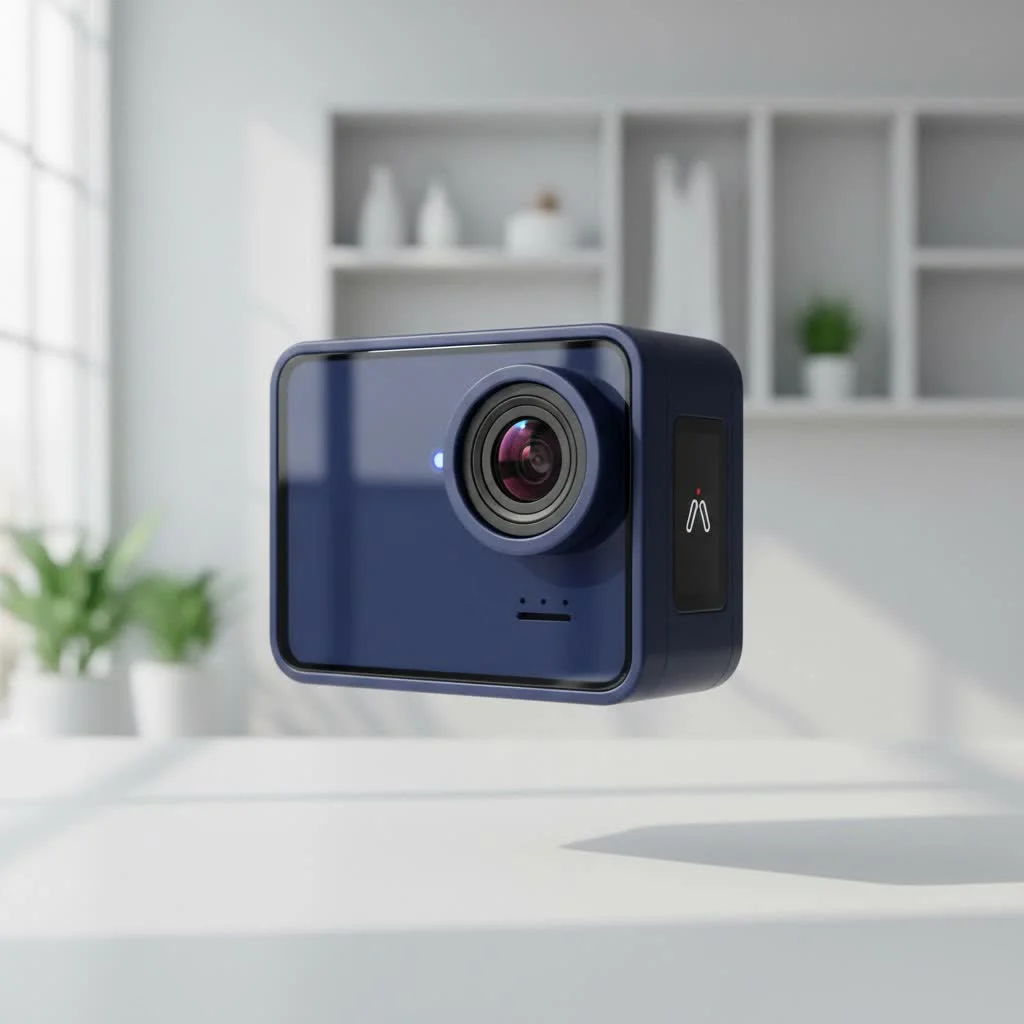
If you are a Canon loyalist or appreciate their image processing, there are viable alternatives. This guide explores the best Canon cameras that can perform well in action-oriented situations and helps you determine if they are suitable for your adventurous needs. For compare top reviews on this site.
Why People Seek a Canon Action Camera
The demand for a Canon action camera stems from the brand’s stellar reputation. For years, creators have trusted Canon for:
- Exceptional Image Quality: Canon is renowned for its color science, producing vibrant yet natural-looking footage that is pleasing straight out of the camera.
- Reliability and Durability: Canon cameras are built to last. Photographers and videographers trust them in demanding professional environments.
- User-Friendly Menus: Many find Canon’s menu system to be one of the most intuitive and easy to navigate in the industry.
- Brand Ecosystem: If you already own Canon lenses or are familiar with their systems, staying within the same family is convenient.
The hope is to get all that Canon goodness packed into a tiny, waterproof, and indestructible box. While that specific product doesn’t exist, some cameras in their lineup come surprisingly close to fitting the bill.
The Best Canon Cameras for Action & Vlogging
Instead of a true “action camera,” what Canon offers are compact, high-performance cameras that, with the right setup, can capture incredible action footage. These are perfect for users who want more versatility than a standard action cam can offer.
Canon PowerShot G7 X Mark III: The Vlogging Powerhouse
For action that’s more about travel, vlogging, and fast-paced lifestyle content, the G7 X Mark III is a fantastic choice. It’s not designed to be mounted on a helmet and taken down a mountain, but its feature set makes it a brilliant companion for adventure.
- Key Specs: A 1.0-inch stacked CMOS sensor, 4K video recording, and the ability to stream directly to YouTube.
- Why it Works for Action: The camera’s standout feature is its powerful image stabilization, which smooths out shaky footage from walking or moving. It also shoots high frame rates (up to 120fps in 1080p) for beautiful slow-motion replays of dynamic scenes. Its compact size means it’s easy to carry and quick to draw.
- Limitations: It is not inherently waterproof or shockproof. You’ll need to be careful in harsh environments, and an external waterproof housing is a must for any water-based activities.
Canon EOS R100: The Compact Mirrorless Option
|
Our Picks for the Best Action Camera in 2026
As an Amazon Associate I earn from qualifying purchases.
|
||
| Num | Product | Action |
|---|---|---|
| 1 | DJI Osmo Action 5 Pro Essential Combo, Waterproof Action Camera with 1/1.3\" Sensor, 4K/120fps Video, Subject Tracking, Stabilization, Dual OLED Touchscreens, Action Camera 4K Ideal for Sports, Vlog |

|
| 2 | ODDV 4K 30MP Waterproof Action Camera with 60FPS & Dual Screens, 132FT Underwater Camera with 64GB Card, EIS Stabilization, 5X Zoom, WiFi Remote Control Action Camera Ideal for Sports, Snorkeling |
|
| 3 | Apexcam Action Camera 4K with 64G SD Card Sports Cameras 20MP 131FT Waterproof Underwater Camera WiFi Cameras with 2.4G Remote Control, 2 Batteries, Mounting Accessories Kits |
|
| 4 | Mini Action Camera 4K - 128G Thumb Sports Camera with EIS Stabilization, Wearable POV Chest Camera, Waterproof for Running, Cycling, Swimming, Hiking, Outdoor Adventures |
|
| 5 | 4K 60FPS Waterproof Action Camera,Bare Metal 66FT Underwater Camera,2\" Touch Dual Screen Sports 6-Axis Stabilization,2 Batteries Internal Microphone Vlog Camera for Diving Cycling Outdoor |
|
| 6 | DJI Osmo Action 4 Standard Combo, 4K/120fps Waterproof Action Camera with a 1/1.3-Inch Sensor, Stunning Low-Light Imaging,10-bit & D-Log M Color Performance, Long-Lasting 160 Mins, Outdoor Camera |
|
| 7 | DJI Osmo Action 5 Pro Standard Combo, Waterproof Action Camera with 1/1.3\" Sensor, 4K/120fps Video, Subject Tracking, Stabilization, Dual OLED Touchscreens, Action Camera 4K Ideal for Sports, Vlog |
|
| 8 | DJI Osmo Action 4 Essential Combo, 4K/120fps Waterproof Action Camera with a 1/1.3-Inch Sensor, Stunning Low-Light Imaging,10-bit & D-Log M Color Performance, Long-Lasting 160 Mins, Outdoor Camera |
|
| 9 | GoPro HERO13 Black - Waterproof Action Camera with 5.3K60 Video, 27MP Photo + Compatability with HB-Series Lenses |
|
| 10 | Insta360 X5 - Waterproof 8K 360° Action Camera, Leading Low Light, Invisible Selfie Stick Effect, Rugged and Replaceable Lens, 3-Hour Battery, Built-in Wind Guard, Stabilization, Triple AI Chip Design |
|
If you want the ultimate image quality and the flexibility of changing lenses, a small mirrorless camera like the EOS R100 is a worthy contender. It brings Canon’s powerful APS-C sensor technology into a surprisingly small body.
- Key Specs: A 24.2MP APS-C sensor, Dual Pixel CMOS AF, and 4K video capabilities.
- Why it Works for Action: The large sensor delivers cinematic-quality video that small action camera sensors can’t match, especially in low light. Paired with a compact prime or wide-angle lens, it can be mounted on gimbals or used for dynamic handheld shots. The autofocus system is fast and reliable, locking onto subjects effectively.
- Limitations: This is the least “action camera-like” option. It’s more fragile, requires more setup (lenses, potential gimbals), and is not designed for the extreme impacts and weather conditions that a dedicated action cam shrugs off.
As veteran sports photographer Alex Romero puts it, “There’s always a trade-off. With a camera like the EOS R100, you’re trading the go-anywhere ruggedness of an action cam for vastly superior depth of field and low-light performance. It depends on whether the shot needs to be epic or just captured.”
Turning Your Canon Camera into an Action Setup
If you decide to use a Canon compact or mirrorless camera for action, you’ll need a few key accessories to bridge the gap.
- Waterproof Housing: This is non-negotiable for any water sports. Third-party manufacturers create custom-fit housings that allow full control of the camera while keeping it safe and dry.
- Gimbal/Stabilizer: While Canon’s built-in stabilization is good, a 3-axis gimbal will provide that ultra-smooth, cinematic motion that makes action sequences look professional.
- GorillaPod or Flexible Tripod: For creative mounting options on railings, branches, or handlebars, a flexible tripod is an essential tool.
- High-Speed SD Cards: To handle 4K video or high-frame-rate recording, you need a fast memory card (V30 or higher) to prevent dropped frames or recording errors.
Should You Buy a Canon or a Dedicated Action Camera?
This is the ultimate question. The choice depends entirely on your primary needs.
Choose a Canon Camera if:
- Your top priority is the best possible image quality, color, and depth of field.
- You shoot in a variety of conditions, not just extreme ones.
- You also need a camera for high-quality photos, portraits, or general vlogging.
- You are willing to invest in accessories like gimbals and housings.
Choose a Dedicated Action Camera (like GoPro/DJI) if:
- You need extreme durability, waterproofing, and shock resistance right out of the box.
- Your primary use is mounting the camera on helmets, vehicles, or gear.
- You prioritize a small, lightweight, and simple point-and-shoot setup.
- Your budget is tighter and focused solely on capturing action.
Frequently Asked Questions (FAQ)
What was Canon’s last rugged camera?
Canon’s last rugged, waterproof cameras were the PowerShot D series (D10, D20, D30). However, this product line has not been updated in many years and is now technologically outdated compared to modern action cameras and smartphones.
Can I use a Canon DSLR for action sports?
While Canon DSLRs can capture stunning action photos with fast burst rates and advanced autofocus, they are generally too large, heavy, and fragile for video use in typical action camera scenarios, such as POV footage from extreme sports.
How does Canon’s image stabilization compare to a GoPro’s HyperSmooth?
GoPro’s HyperSmooth and DJI’s RockSteady are electronic image stabilization technologies specifically tuned for extreme, high-frequency vibrations, making them industry leaders. While Canon’s built-in image stabilization is excellent for handheld shooting, it is not designed to smooth out intense vibrations from activities like mountain biking or skiing in the same way.
Will Canon ever release an action camera?
While future product releases are unpredictable, Canon has historically focused on its core strengths in professional and prosumer camera markets. Entering the highly competitive action camera market would represent a significant strategic shift, and as of now, there are no credible rumors suggesting such a product is in development.
Final Thoughts
While the dream of a “Canon Action Camera” with the ruggedness of a GoPro and the image science of an EOS R5 remains just that—a dream—it doesn’t mean you can’t capture incredible action with Canon gear. For creators who value versatility and cinematic image quality above all else, using a compact camera like the PowerShot G7 X Mark III or a small mirrorless body can be a rewarding experience.
It requires more care, more accessories, and a different approach to shooting. But for many, the superior video quality is a trade-off worth making. For everyone else who just needs to hit record and dive off a cliff, the world of dedicated action cameras is likely your best bet. Whatever you choose, the most important thing is to get out there and capture your adventure.
Frequently Asked Questions
What was Canon's last rugged camera?
Canon's last rugged, waterproof cameras were the PowerShot D series (D10, D20, D30). However, this product line has not been updated in many years and is now technologically outdated compared to modern action cameras and smartphones.
Can I use a Canon DSLR for action sports?
While Canon DSLRs can capture stunning action photos with fast burst rates and advanced autofocus, they are generally too large, heavy, and fragile for video use in typical action camera scenarios, such as POV footage from extreme sports.
How does Canon's image stabilization compare to a GoPro's HyperSmooth?
GoPro's HyperSmooth and DJI's RockSteady are electronic image stabilization technologies specifically tuned for extreme, high-frequency vibrations, making them industry leaders. While Canon's built-in image stabilization is excellent for handheld shooting, it is not designed to smooth out intense vibrations from activities like mountain biking or skiing in the same way.
Will Canon ever release an action camera?
While future product releases are unpredictable, Canon has historically focused on its core strengths in professional and prosumer camera markets. Entering the highly competitive action camera market would represent a significant strategic shift, and as of now, there are no credible rumors suggesting such a product is in development.
Turn Your Canon Camera into an Action Setup
Adapt your Canon compact or mirrorless camera for action photography and videography by adding essential accessories.
For any water sports or harsh environments, a custom-fit waterproof housing is essential. Third-party manufacturers offer housings that allow full control of your camera while keeping it safe and dry.
To achieve ultra-smooth, cinematic motion in action sequences, pair your Canon camera with a 3-axis gimbal. While Canon's built-in stabilization is good, a gimbal provides superior smoothness for dynamic shots.
For creative and versatile mounting options, such as attaching your camera to railings, branches, or handlebars, a flexible tripod like a GorillaPod is an indispensable tool.
To ensure reliable recording of 4K video or high-frame-rate footage, use a fast memory card with a V30 rating or higher. This prevents dropped frames and recording errors during intense action.
Get our weekly buyer guide
Practical specs, not advice. Unsubscribe anytime.
I’ve always trusted Canon for reliability, so it made sense to me why people would want an action camera from them. It’s a shame they haven’t jumped into that market yet. However, the guide’s focus on adapting existing Canon cameras for action-packed scenarios was really insightful. I’m going to look into some of the recommended mounts for my DSLR.
This was a lifesaver! I’m a huge fan of Canon’s image processing and was really struggling to find an action camera that could match it. The suggestions for using compact cameras like the PowerShot G7 X Mark III with the right accessories totally changed my perspective. I’m now getting the Canon quality I love even when I’m out mountain biking.
I appreciate the breakdown of why Canon doesn’t have a direct competitor to GoPro. I was really looking for something small and truly rugged for whitewater rafting, and while the mirrorless options are great for image quality, they just don’t feel as purpose-built for extreme sports. I ended up getting a different brand, but it was good to understand the Canon landscape.
I’ve been a Canon user for years, so I was really hoping they’d have a dedicated action camera. It’s a bummer they don’t, but this guide was super helpful in showing how to adapt my existing Canon M50 for some of my outdoor adventures. The tips on rugged cases and mounts were exactly what I needed to feel confident taking it out on the trails.